best plants for bedroom balcony: 12 Picks by Light
Quick Answer
The best plants for bedroom balcony spaces include snake plant, spider plant, tuberous begonia, zonal pelargonium, golden pothos, coleus, Boston fern, aloe vera, echeveria, rosemary, English lavender, and star jasmine because together they cover shaded, bright, sunny, flowering, trailing, fragrant, and low-maintenance balcony conditions.
Here’s the short version before you scroll further:
- Snake Plant — Handles missed waterings and limited floor space.
- Spider Plant — Loves bright shade and looks great hanging.
- Tuberous Begonia — Brings dramatic flowers to sheltered shade.
- Zonal Pelargonium — Reliable color for a sunny balcony.
- Golden Pothos — Trails beautifully without demanding intense light.
- Coleus — Delivers bold foliage instead of relying on flowers.
- Boston Fern — Fills protected shade with lush texture.
- Aloe Vera — Suits warm, bright spots and infrequent watering.
- Echeveria — Compact rosettes thrive with sun and drainage.
- Rosemary — Combines fragrance, greenery, and edible leaves.
- English Lavender — Loves sun and rewards you with fragrance.
- Star Jasmine — Adds vertical greenery and intensely fragrant flowers.
The best choice depends first on how much direct sun reaches your balcony, then on wind exposure, winter temperatures, and how quickly your containers dry. Match those conditions before choosing by appearance alone.
Our Top Picks at a Glance
Easiest to Care For — Snake Plant
Best for Low Light — Spider Plant
Most Beautiful Bloom — Tuberous Begonia
Best for Sunny Beginners — Zonal Pelargonium


12 Best Plants for a Bedroom Balcony
 Save
Save#1. Snake Plant — “The Forgetful Gardener’s Friend”
| Sunlight | Bright filtered light to partial sun, tolerates lower light |
| Watering | Let the potting mix dry before watering again |
| Pot Size | Snug container, size up only slightly when root-bound |
| Care Level | Easy |
| Bloom Time | Rare in containers, grown mainly for foliage |
Snake plant, now commonly classified as Dracaena trifasciata, comes from tropical West and Central Africa. Its stiff vertical leaves give you greenery without taking much balcony floor space.
The thick leaves store water, so constantly damp compost is far more dangerous than a forgotten watering. Low light slows growth, while brighter filtered light usually produces stronger plants.
Keep it protected from frost and acclimate it gradually before exposing an indoor-grown plant to stronger outdoor sun. It can be harmful if eaten by pets, so place it beyond their reach.
Pros
- Handles dry periods well
- Compact upright footprint
- Tolerates modest light
Watch For
- Root rot in wet compost
- Cold and frost damage
- Pet access to foliage
#2. Spider Plant — “The Hanging Classic”
| Sunlight | Bright filtered light or partial shade |
| Watering | Water as the surface begins to dry |
| Pot Size | Medium hanging pot with good drainage |
| Care Level | Easy |
| Bloom Time | Small white flowers may appear with plantlets |
Chlorophytum comosum is native to parts of tropical and southern Africa. Mature plants send out arching stems carrying small plantlets, giving a balcony an instant layered look.
Strong direct midday sun can scorch its softer leaves. A protected balcony with bright shade is much closer to its preferred conditions.
Remove brown tips and divide congested plants when needed. You can also root the dangling plantlets to make new pots almost effortlessly.
Pros
- Excellent hanging habit
- Easy plantlet propagation
- Useful for shaded balconies
Watch For
- Leaf scorch in harsh sun
- Brown leaf tips
- Cold weather exposure
#3. Tuberous Begonia — “The Shade Bloomer”
| Sunlight | Partial shade or bright filtered light |
| Watering | Keep evenly moist, not waterlogged |
| Pot Size | Medium container or hanging basket with drainage |
| Care Level | Moderate |
| Soil pH | Around 5.5 to 6.5 |
| Bloom Time | Summer through early autumn or first frost |
Tuberous begonias are prized for oversized flowers that brighten areas where many sun-loving balcony annuals struggle. Their fleshy stems and flowers appreciate protection from strong winds.
Water at the compost rather than repeatedly soaking the foliage. Let excess water drain freely because saturated roots can quickly lead to rot.
Deadhead tired blooms to keep the display tidy. Begonias can be toxic to cats and dogs if eaten, with the underground parts presenting particular concern.
Pros
- Showy flowers in partial shade
- Works in hanging baskets
- Long summer display
Watch For
- Strong wind damage
- Waterlogged roots
- Pet access
#4. Zonal Pelargonium — “The Sunny Show-Off”
| Sunlight | Full sun, with some light shade tolerated |
| Watering | Water after the upper compost begins to dry |
| Pot Size | Medium pot or window box with drainage |
| Care Level | Easy |
| Bloom Time | Late spring through summer and into autumn |
Pelargoniums originate largely from southern Africa and are classic container plants for warm, sunny sites. Zonal types stay relatively compact while producing repeated clusters of colorful flowers.
They prefer free-draining compost and cope better with brief dryness than permanently wet roots. Removing faded flower heads encourages a cleaner, longer display.
These plants are frost tender, so overwinter them somewhere protected in cold climates. Pelargonium species are also listed as toxic to cats and dogs.
Pros
- Reliable summer flowers
- Excellent window-box plant
- Handles short dry spells
Watch For
- Frost damage
- Poor flowering in deep shade
- Pet toxicity
#5. Golden Pothos — “The Easy Trailer”
| Sunlight | Bright indirect light to shade |
| Watering | Allow the compost to partly dry between waterings |
| Pot Size | Hanging pot, size up when roots become crowded |
| Care Level | Easy |
| Bloom Time | Rarely flowers in cultivation |
Epipremnum aureum is a tropical climbing aroid associated with the Society Islands. In a pot, its heart-shaped leaves trail neatly over shelves or balcony rail-side stands.
Low light is tolerated, although variegation is usually stronger with brighter filtered light. Cold is the bigger problem, so use pothos outdoors only where conditions remain warm and sheltered.
Trim long vines to encourage fuller growth, and root cuttings easily in water or potting mix. Keep it away from pets and small children because the plant contains irritating calcium oxalate crystals.
Pros
- Attractive trailing growth
- Easy to propagate
- Tolerates shaded positions
Watch For
- Cold temperatures
- Overwatering
- Pet and child access
 Save
Save#6. Coleus — “The Foliage Firework”
| Sunlight | Bright filtered light or partial shade |
| Watering | Keep evenly moist, watering as the surface starts drying |
| Pot Size | Medium container with room for branching |
| Care Level | Easy |
| Bloom Time | Flowers seasonally, but grown mainly for foliage |
Coleus scutellarioides belongs to the mint family and traces its origins to tropical and subtropical Asia through northern Australia. Cultivars offer burgundy, lime, pink, bronze, and patterned leaves.
Unlike succulents, coleus dislikes drying completely. Leaves often soften or wilt when moisture runs low, especially during hot balcony weather.
Pinch growing tips regularly for a dense shape and remove flower spikes if foliage is your priority. Stem cuttings root easily, making it simple to preserve a favorite plant before cold weather.
Pros
- Huge foliage color range
- Responds well to pinching
- Roots easily from cuttings
Watch For
- Dry compost
- Harsh midday sun
- Cold temperatures
#7. Boston Fern — “The Lush Corner Filler”
| Sunlight | Bright filtered light or partial shade |
| Watering | Keep moist, do not let the root ball dry completely |
| Pot Size | Wide pot or hanging basket with drainage |
| Care Level | Moderate |
| Bloom Time | N/A — fern reproduces by spores |
Nephrolepis exaltata forms arching fronds that can soften hard balcony railings and walls. It naturally prefers warm, humid conditions rather than baking afternoon sun.
Dry roots and dry air often show up as crispy brown fronds. Check moisture more frequently during warm or windy weather because hanging baskets can lose water quickly.
Cut old fronds cleanly at the base and protect the plant from frost. A sheltered corner beside the bedroom door is often more suitable than an exposed railing.
Pros
- Lush arching texture
- Excellent for shade
- Works in hanging baskets
Watch For
- Drying root balls
- Hot direct sun
- Cold exposure
#8. Aloe Vera — “The Sunny Minimalist”
| Sunlight | Bright light to sun after gradual acclimation |
| Watering | Water thoroughly after the mix dries well |
| Pot Size | Only slightly wider than the root mass |
| Care Level | Easy |
| Bloom Time | Mature plants may flower in strong light |
Aloe vera is a succulent associated with arid regions and stores moisture inside its fleshy leaves. That makes it especially useful when you want greenery without frequent watering.
The biggest danger is soggy compost. A gritty succulent and cactus potting mix helps excess water escape quickly.
Move indoor-grown aloe into stronger balcony light gradually to reduce scorching. ASPCA lists aloe as toxic to cats and dogs if ingested, so choose placement carefully.
Pros
- Stores water in leaves
- Sculptural appearance
- Produces removable offsets
Watch For
- Overwatering
- Sudden intense sun
- Pet access
#9. Echeveria — “The Compact Sun Lover”
| Sunlight | Full sun to partial sun |
| Watering | Allow the potting mix to dry between waterings |
| Pot Size | Shallow container with excellent drainage |
| Care Level | Easy |
| Bloom Time | Often spring or summer, depending on species |
Echeverias are rosette-forming succulents, with species such as Echeveria elegans originating in Mexico. Their compact habit makes them useful where balcony surface space is limited.
Plump leaves are built to store water. If the center stretches upward and leaves spread widely, inadequate light may be the reason.
Remove dead lower leaves and keep water from sitting around the crown. In cold climates, bring tender plants into a frost-free place before winter.
Pros
- Compact rosette shape
- Low water demand
- Offsets are easy to divide
Watch For
- Wet compost
- Insufficient light
- Freezing temperatures
#10. Rosemary — “The Useful Evergreen”
| Sunlight | Full sun |
| Watering | Water after the upper compost has dried |
| Pot Size | Roomy container with excellent drainage |
| Care Level | Moderate |
| Bloom Time | Commonly spring into summer |
Rosemary, botanically Salvia rosmarinus, is a Mediterranean member of the mint family. Its narrow aromatic leaves suit a sunny balcony close to the bedroom or kitchen.
Good drainage matters more than constant moisture. Established rosemary handles some dryness, while persistently wet compost can weaken roots.
Trim young growth lightly to maintain a bushier shape, but avoid cutting hard into old bare wood. Its flowers can also attract visiting pollinators when the plant is grown outdoors.
Pros
- Edible aromatic leaves
- Evergreen appearance
- Good sunny-balcony choice
Watch For
- Poor drainage
- Deep shade
- Excessively hard pruning
#11. English Lavender — “The Fragrant Sun Seeker”
| Sunlight | Full sun |
| Watering | Allow compost to dry well between waterings |
| Pot Size | Wide container with generous drainage |
| Care Level | Moderate |
| Soil pH | Neutral to alkaline preferred |
| Bloom Time | Late spring through summer |
Lavandula angustifolia is a Mediterranean herb in the mint family. Its silver-green foliage, purple flower spikes, and familiar scent make it a natural choice beside a sunny bedroom door.
Lavender wants sun and excellent drainage rather than rich, wet compost. A terracotta plant pot with drainage can suit it well when your balcony is not excessively hot and drying.
Trim after flowering to maintain a compact shape without cutting deeply into old woody stems. Protect the roots from prolonged winter wet.
Pros
- Highly fragrant flowers
- Handles dry conditions
- Attracts pollinators
Watch For
- Wet roots
- Insufficient sun
- Woody growth without pruning
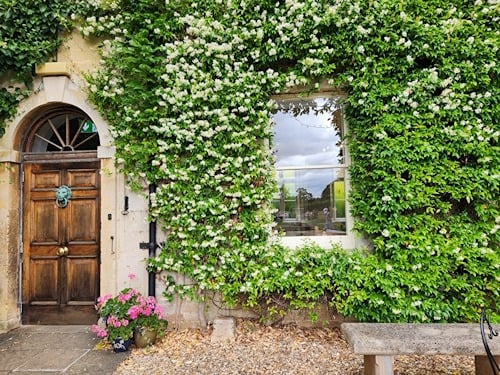
#12. Star Jasmine — “The Balcony Perfumer”
| Sunlight | Full sun to partial shade in a sheltered position |
| Watering | Water as the upper compost starts drying in active growth |
| Pot Size | Large container with sturdy climbing support |
| Care Level | Moderate |
| Bloom Time | Late spring and summer |
Trachelospermum jasminoides is an evergreen climber native to East Asia. Its glossy foliage and strongly scented white flowers can turn a plain balcony wall into a living backdrop.
It grows best with warmth, drainage, and protection from severe wind. Container-grown plants should not be allowed to remain bone dry for long during summer growth.
Train new stems onto a secure balcony plant trellis and prune after flowering when necessary. Remember that a mature climber needs more root space than a small foliage plant.
Pros
- Intensely fragrant flowers
- Evergreen climbing habit
- Uses vertical space
Watch For
- Exposed strong winds
- Summer drought in pots
- Insufficient climbing support
How to Choose the Right Plant for Your Space
Start with the balcony itself, not the plant photo. The Royal Horticultural Society notes that strong wind, intense sunshine, rain-blocking overhangs, and rapid container drying can all shape balcony growing conditions in ways an indoor windowsill does not.
- Watch the direct sun — Choose lavender, rosemary, echeveria, aloe, or pelargonium for brighter locations. Spider plant, Boston fern, pothos, coleus, and begonia generally suit more protected light.
- Check exposure — A wall or screened corner can create a gentler microclimate for soft-leaved plants. Read the RHS balcony gardening guidance before planting an especially windy space.
- Think about winter — Tropical and frost-tender plants may need to return indoors as temperatures fall. Your climate matters just as much as summer sunlight.
- Check pet access — Several popular plants, including aloe, pothos, begonia, pelargonium, and snake plant, can cause problems if eaten. The ASPCA toxic and non-toxic plant database is useful for checking the exact plant you are considering.
Basic Care Tips for Beginners
A bedroom balcony can expose plants to stronger sunlight and faster moisture loss than the room just inside it. Small changes in placement make a big difference.
- Acclimate indoor plants slowly — Do not move snake plant, pothos, aloe, or other indoor-grown plants straight into intense sun. University of Minnesota Extension provides useful guidance on moving houseplants outdoors.
- Water by soil condition — Aloe and echeveria need drying time, while fern and coleus prefer more consistent moisture. One watering schedule cannot serve every pot.
- Prioritize drainage — Every container should let excess water escape. Never leave succulent, lavender, or rosemary roots sitting in water.
- Rotate when useful — Turning smaller pots occasionally can help foliage grow more evenly when light comes strongly from one direction.
Common Mistakes to Avoid
Most bedroom-balcony problems come from mismatching a plant with its exposure or watering it without checking the soil first.
Watering every pot on the same schedule — A fern may need moisture while an aloe beside it still needs to dry. Treat the potting mix as your signal instead of the calendar.
Moving indoor foliage straight into midday sun — Leaves adapted to indoor light can scorch when exposure changes suddenly. Increase outdoor light gradually.
Ignoring balcony wind — Wind strips moisture from containers and can tear begonia flowers or fern fronds. Use stable pots and a protected corner for delicate plants.
Leaving tender plants outside when temperatures fall — Pothos, coleus, aloe, pelargonium, and similar tender plants are not built for freezing weather. Plan their indoor winter location in advance.
Choosing decorative pots without drainage — Trapped water removes air from the root zone and encourages root problems. Use drainage holes and empty outer cachepots after watering.
What You’ll Need
A few balcony-friendly basics make care easier without filling your bedroom with gardening equipment.
Easier to move while still allowing excess water to escape.
Useful for aloe and echeveria that need fast drainage.
Directs water to the compost without soaking furniture or foliage.
Helpful for lavender, rosemary, pelargonium, jasmine, and coleus.
Frequently Asked Questions
Q: What are the best plants for a bedroom balcony with little sunlight?
A: Spider plant, pothos, Boston fern, coleus, and snake plant are better starting points than lavender or rosemary. Even shade-tolerant plants still benefit from usable natural light.
Q: Which balcony plants are easiest for beginners?
Snake plant is especially forgiving when kept warm and not overwatered. Spider plant, pelargonium, aloe, and echeveria are also manageable when their light requirements are met.
Q: Can I keep indoor plants outside on my bedroom balcony?
A: Yes, some indoor plants can spend warm periods outdoors, but they should be acclimated gradually. Protect tropical plants from frost, strong wind, and sudden intense sunshine.
Q: How often should I water balcony plants?
A: There is no safe universal schedule. Check each pot because hot or windy balconies dry quickly, while succulents such as aloe and echeveria still need their compost to dry between waterings.
Q: Which plants are best for a sunny bedroom balcony?
A: English lavender, rosemary, pelargonium, echeveria, and acclimated aloe are strong candidates. Good drainage becomes especially important when combining bright sun with container growing.
Q: What flowering plants work on a shaded bedroom balcony?
A: Tuberous begonias are one of the strongest choices for bright shade or partial shade. Protect their soft stems and flowers from strong wind and keep their compost moist without waterlogging it.
Final Thoughts
The best bedroom balcony isn’t the one with the most plants. It’s the one where every plant matches the available light, wind, temperature, and amount of care you can realistically provide.
Start with one or two reliable choices, learn how quickly their pots dry, then build your balcony collection from there.
Which plant are you adding to your space first? Save this post to Pinterest so you can come back whenever you need fresh plant inspo!

I’m a home decor enthusiast who loves discovering beautiful room ideas, creative DIY projects, and Pinterest-worthy decorating inspiration. At DecorMinty, I share simple tips, fresh trends, and practical ideas to help you create a home you’ll truly love—one room at a time.