12 Best Fragrant Plants for Bedroom Spaces That Actually Thrive Indoors
Quick Answer
The best fragrant plants for bedroom spaces are Arabian jasmine, gardenia, wax plant, scented geranium, English lavender, Madagascar jasmine, sweet basil, rosemary, mint, lemon balm, calamondin orange, and lady of the night orchid because each offers a distinct scent profile and can live in a container indoors when its light needs are met.
Here’s the short version before you scroll further:
- Arabian Jasmine — strongest perfume after sunset.
- Gardenia — luxurious scent, demanding care.
- Wax Plant — gentle blooms on forgiving vines.
- Scented Geranium — fragrant leaves when touched.
- English Lavender — classic scent, but needs full sun.
- Madagascar Jasmine — waxy flowers on a tidy trellis.
- Sweet Basil — edible leaves with spicy fragrance.
- Rosemary — piney aroma for sunny windows.
- Mint — fast-growing freshness on contact.
- Lemon Balm — soft lemon scent from brushed leaves.
- Calamondin Orange — flowers plus miniature citrus fruit.
- Lady of the Night Orchid — citrus fragrance released at night.
The deciding factor is light, not fragrance strength. Most scented plants bloom or produce aromatic oils best near a bright window, so measure your bedroom’s light first and choose a scent intensity you’ll still enjoy at bedtime.
Our Top Picks at a Glance
Easiest to Care For — Wax Plant
Best for Lower Light — Wax Plant
Most Beautiful Bloom — Gardenia
Best for Beginners — Sweet Basil
Fragrant plants should be treated as living décor, not air fresheners. The University of Florida’s guide to fragrant houseplants highlights hoya and other flowering choices, while the ASPCA plant database is the safer place to confirm pet toxicity before bringing a new species home.
Also keep air-cleaning claims in perspective. NASA’s controlled chamber research on indoor plants is interesting, but a few bedroom plants shouldn’t replace ventilation or filtration.


12 Fragrant Bedroom Plants Worth Growing Indoors
#1. Arabian Jasmine — “The Night Perfumer”
| Sunlight | Bright light with several hours of gentle direct sun |
| Watering | Water when the top 1 inch feels dry; drooping tips signal thirst |
| Pot Size | 6–8 inch pot with drainage |
| Care Level | Moderate |
| Soil pH | 6.0–7.5 |
| Bloom Time | Mainly spring through fall indoors |
Jasminum sambac is an evergreen jasmine native to tropical Asia and belongs to the olive family, Oleaceae. Its white flowers release their strongest perfume from evening into the night, which makes it especially appealing near a bright bedroom window.
Keep the root zone evenly moist but never waterlogged. A small trellis helps its naturally scrambling stems stay tidy while still letting flower buds receive light.
Prune lightly after a flush of bloom and propagate healthy tips as stem cuttings. True jasmine is listed by the ASPCA as non-toxic to cats, although chewing any plant can still cause stomach upset.
Pros
- Powerful evening fragrance
- Compact enough for a windowsill trellis
- Can rebloom with strong light
Watch For
- Needs more light than most bedrooms provide
- Dry air can trigger bud drop
- Fragrance may feel strong in small rooms
 Save
Save#2. Gardenia — “The Luxury Bloom”
| Sunlight | Bright, indirect light with mild morning sun |
| Watering | Water when the surface begins to dry; limp leaves and dry edges are warning signs |
| Pot Size | 6–8 inch pot for a young plant |
| Care Level | Advanced |
| Soil pH | 5.0–6.5 |
| Bloom Time | Late spring through summer, sometimes intermittently |
Gardenia jasminoides is a glossy evergreen shrub from subtropical Asia in the Rubiaceae family. Its creamy flowers have one of the richest scents on this list, but the plant rewards consistency rather than neglect.
Gardenias dislike sudden changes in temperature, light, or moisture. They also prefer slightly acidic growing media, so an azalea-and-camellia potting mix is often more suitable than a generic heavy soil.
Remove spent blooms, prune after flowering, and repot only when roots crowd the container. Gardenia is listed by the ASPCA as non-toxic to cats and dogs.
Pros
- Exceptional floral fragrance
- Glossy foliage looks polished year-round
- Long-lasting cut blooms
Watch For
- Sensitive to dry air and drafts
- Bud drop is common after stress
- Needs acidic, well-drained media
#3. Wax Plant — “The Patient Charmer”
| Sunlight | Bright, indirect light; tolerates lower light but blooms less |
| Watering | Water when the mix is mostly dry; slightly soft leaves indicate thirst |
| Pot Size | 5–6 inch snug pot |
| Care Level | Easy |
| Soil pH | 6.0–7.0 |
| Bloom Time | Usually spring through summer on mature vines |
Hoya carnosa is a tropical Asian epiphyte with thick leaves and star-shaped flower clusters. The University of Florida describes hoya as a classic, easy-care houseplant with fragrant flowers, making it one of the safer choices for beginners.
Hoya prefers a snug root system and an airy mix. Avoid cutting old flower spurs because new blooms often return from the same structures.
Train vines around a hoop or let them trail, and propagate from node-bearing cuttings. Hoya carnosa is listed by the ASPCA as non-toxic to cats.
Pros
- Forgives missed waterings
- Sweet scent is usually not overpowering
- Works in hanging pots
Watch For
- May take years to flower
- Nectar can drip from blooms
- Overpotting slows drying
#4. Scented Geranium — “The Touch-Activated Scent”
| Sunlight | Bright light with several hours of direct sun |
| Watering | Water when the top 1–2 inches dry; soft leaves signal thirst |
| Pot Size | 6–8 inch pot |
| Care Level | Easy |
| Soil pH | 6.0–7.0 |
| Bloom Time | Small flowers mainly spring through summer; foliage is the feature |
Scented geraniums are Pelargonium cultivars from southern Africa, prized for leaves that release rose, lemon, mint, or spice notes when brushed. Their fragrance comes from aromatic oils in the foliage rather than showy flowers.
Pinching the tips keeps plants bushy and encourages more scented leaves. A gritty, fast-draining mix reduces the risk of stem and root rot.
Take softwood cuttings in spring or summer and remove fading leaves promptly. Pelargonium species are listed by the ASPCA as toxic to cats and dogs, so keep them out of reach.
Pros
- Fragrance lasts beyond bloom season
- Easy to shape and propagate
- Many scent profiles available
Watch For
- Needs strong sun indoors
- Can become leggy quickly
- Toxic to cats and dogs
 Save
Save#5. English Lavender — “The Sunny Minimalist”
| Sunlight | Full sun, ideally 6 or more hours |
| Watering | Water deeply when the mix is nearly dry; grey, limp stems can signal stress |
| Pot Size | 6–8 inch terracotta pot |
| Care Level | Moderate |
| Soil pH | 6.5–8.0 |
| Bloom Time | Late spring through summer |
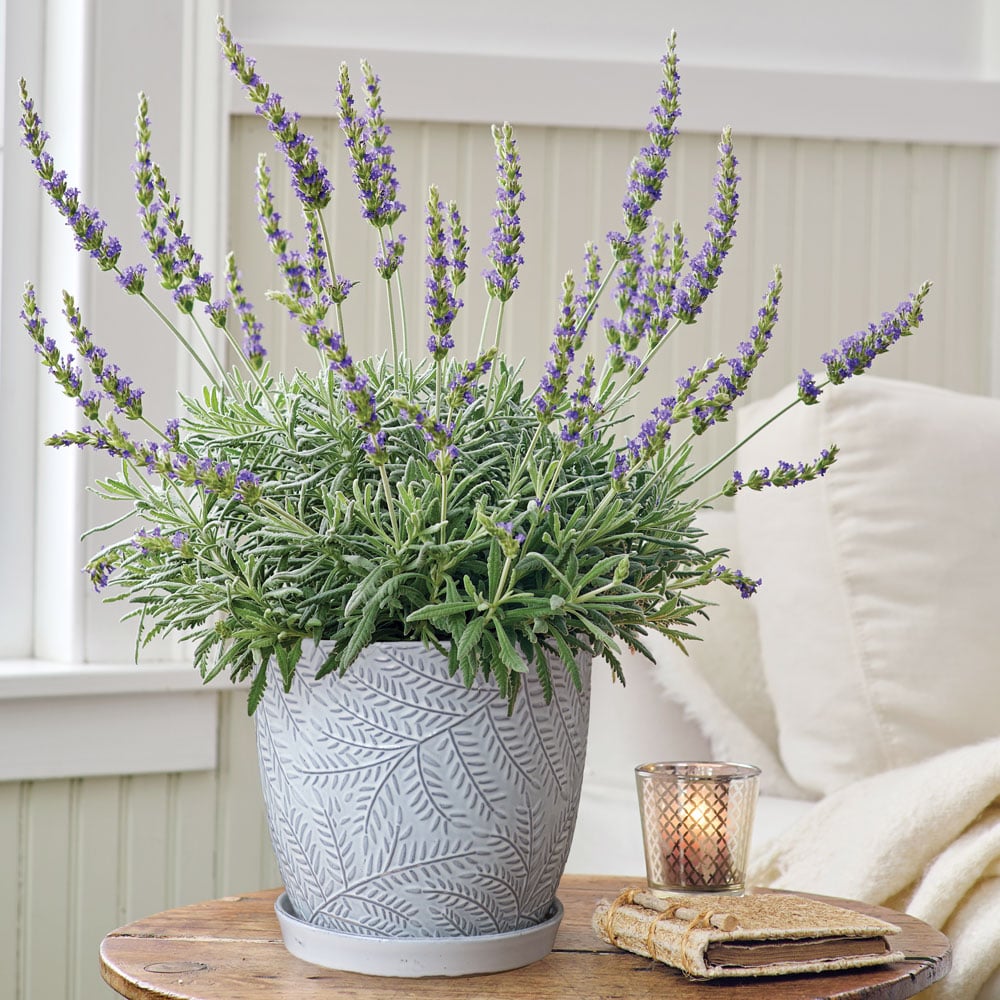
Lavandula angustifolia is a Mediterranean member of the mint family with aromatic foliage and flower spikes. Indoors, it works best as a bright-window plant rather than a dark-bedroom plant.
Excellent drainage and moving air matter more than frequent watering. A terracotta pot and gritty herb mix help the root zone dry at the pace lavender prefers.
Trim lightly after bloom but avoid cutting deeply into old woody stems. Lavender is listed by the ASPCA as toxic to cats and dogs, so pet households should place it securely.
Pros
- Classic herbal fragrance
- Handles dry indoor air
- Compact cultivars suit windowsills
Watch For
- Performs poorly in dim rooms
- Roots rot in wet soil
- Toxic to cats and dogs
#6. Madagascar Jasmine — “The Bridal Vine”
| Sunlight | Bright, indirect light with gentle morning sun |
| Watering | Water when the top inch dries; bud drop can follow drought |
| Pot Size | 6–8 inch pot with support |
| Care Level | Moderate |
| Soil pH | 6.0–7.0 |
| Bloom Time | Late spring through summer |
Stephanotis floribunda is a twining vine native to Madagascar and known for waxy, white, intensely fragrant flowers. Despite its common name, it is not a true jasmine.
It prefers stable warmth and moderate humidity. Rotating the pot while buds are forming can change their orientation and sometimes contributes to bud loss, so leave it in place during flowering.
Prune after bloom and guide new growth around a hoop. Wear gloves when pruning because the milky sap may irritate sensitive skin.
Pros
- Elegant, long-lasting flowers
- Strong sweet fragrance
- Excellent vertical accent
Watch For
- Needs a support structure
- Sensitive to cold drafts
- Bud drop follows sudden changes
#7. Sweet Basil — “The Useful Aromatic”
| Sunlight | Full sun or very bright light |
| Watering | Water when the top inch dries; limp leaves recover quickly after watering |
| Pot Size | 6–8 inch pot |
| Care Level | Easy |
| Soil pH | 6.0–7.5 |
| Bloom Time | Flowers in warm weather unless pinched |
Ocimum basilicum is an aromatic herb from tropical Asia and Africa in the mint family. Its spicy-sweet leaves perfume the air most when touched, watered, or harvested.
Pinch growing tips often to keep the plant leafy and delay flowering. Once basil sets seed, leaf production and flavor usually decline.
Harvest above a leaf pair and start replacement plants from cuttings or seed. Basil is generally considered non-toxic to cats and dogs, but avoid allowing pets to eat large amounts.
Pros
- Edible and fragrant
- Fast-growing from seed
- Easy visual thirst signal
Watch For
- Needs strong light
- Short-lived compared with woody herbs
- Flowers reduce leaf production
#8. Rosemary — “The Clean Herbal Accent”
| Sunlight | Full sun, 6 hours or more |
| Watering | Water when the top 1–2 inches dry; needle drop can signal root stress |
| Pot Size | 6–8 inch terracotta pot |
| Care Level | Moderate |
| Soil pH | 6.0–7.5 |
| Bloom Time | Often spring, with small blue flowers |
Salvia rosmarinus is a woody Mediterranean herb with resinous, pine-like foliage. The scent is strongest when the needles are brushed or clipped, so it suits a bedside windowsill that gets excellent sun.
Indoors, rosemary needs airflow and careful watering. Both constantly wet roots and prolonged drought can cause browning, which is why a drainage hole matters.
Trim green tips regularly but avoid severe cuts into bare wood. Rosemary is listed by the ASPCA as non-toxic to cats and dogs.
Pros
- Fresh, clean foliage scent
- Edible leaves
- Prefers ordinary dry room air
Watch For
- Unforgiving of poor drainage
- Needs strong sun
- Spider mites may appear in stale air
#9. Mint — “The Instant Freshener”
| Sunlight | Bright light with some direct sun |
| Watering | Water when the surface feels dry; leaves wilt visibly when thirsty |
| Pot Size | 8 inch pot |
| Care Level | Easy |
| Soil pH | 6.0–7.0 |
| Bloom Time | Summer flowers if allowed to mature |
Mentha species are vigorous members of the mint family with cooling fragrance released whenever leaves are touched. Their spreading underground stems make container culture especially practical indoors.
Mint likes more consistent moisture than rosemary or lavender. Pinching and harvesting prevent lanky growth and keep fresh shoots coming.
Divide crowded roots or root stem cuttings in water. Mint is generally non-toxic to cats and dogs, though concentrated essential oils are not the same as the living plant.
Pros
- Fast and forgiving
- Strong scent on contact
- Easy to propagate
Watch For
- Can outgrow small pots quickly
- Needs regular trimming
- Prone to mildew in stagnant air
 Save
Save#10. Lemon Balm — “The Soft Citrus Note”
| Sunlight | Bright light with several hours of sun |
| Watering | Water when the top inch dries; wilting leaves signal thirst |
| Pot Size | 6–8 inch pot |
| Care Level | Easy |
| Soil pH | 6.0–7.5 |
| Bloom Time | Summer unless pinched |
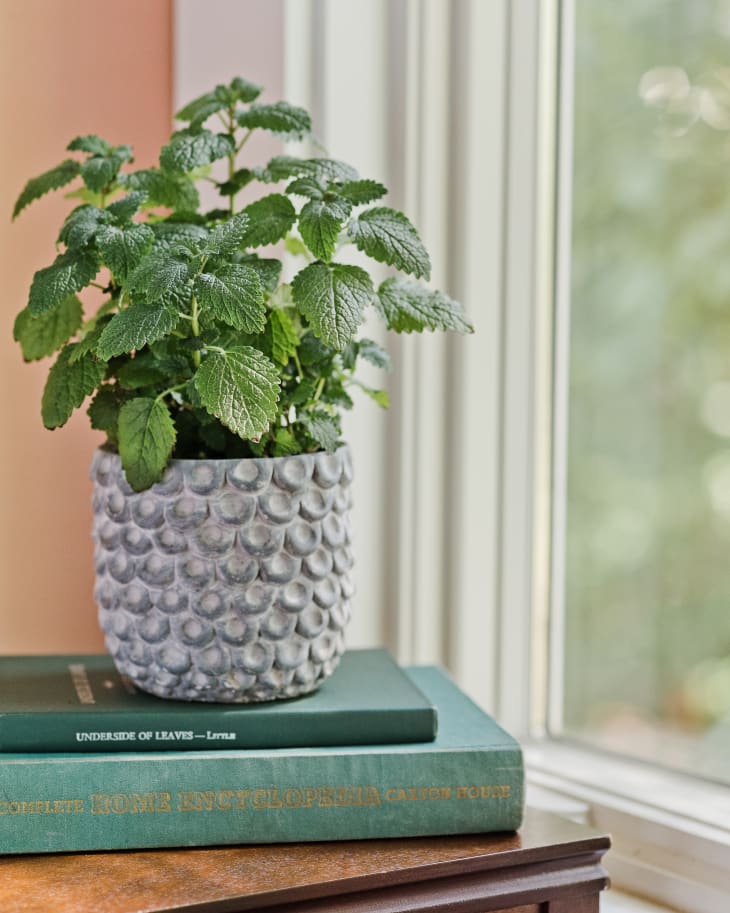
Melissa officinalis is a European and western Asian herb in the mint family. Its softly wrinkled leaves release a light lemon scent when rubbed, making it gentler than jasmine or gardenia.
Regular pinching keeps it compact and slows flowering. If stems stretch toward the window, the plant needs stronger light or more frequent rotation.
Root tip cuttings or divide the crown when crowded. As with other culinary herbs, avoid using concentrated essential oil around pets without veterinary guidance.
Pros
- Mild citrus fragrance
- Fast regrowth after trimming
- Easy from cuttings
Watch For
- Can become leggy indoors
- Scent is subtle unless touched
- Needs regular pruning
#11. Calamondin Orange — “The Citrus Statement”
| Sunlight | Full sun or the brightest available window |
| Watering | Water when the top 1–2 inches dry; curling leaves can signal drought |
| Pot Size | 8–10 inch pot for a young tree |
| Care Level | Moderate |
| Soil pH | 5.5–6.5 |
| Bloom Time | Often spring, with repeat bloom possible |
Citrus × microcarpa, commonly sold as calamondin, is a compact citrus tree with white blossom fragrance and small orange fruit. It brings both scent and structure, but it needs much stronger light than a typical bedside table receives.
Even moisture supports flowers and fruit, while soggy soil encourages root problems. A citrus fertilizer can help container plants during active growth.
Prune lightly for shape and hand-pollinate flowers with a soft brush if fruit set is poor indoors. Citrus oils and plant parts can be problematic for pets, so use cautious placement.
Pros
- Fragrant flowers and decorative fruit
- Evergreen foliage
- Strong visual focal point
Watch For
- Requires very bright light
- Can attract scale insects
- Not ideal for pet access
#12. Lady of the Night Orchid — “The After-Dark Specialist”
| Sunlight | Bright, filtered light |
| Watering | Water when roots turn silvery and the medium approaches dry |
| Pot Size | 4–6 inch orchid basket or pot |
| Care Level | Moderate |
| Soil pH | 5.5–6.5 |
| Bloom Time | Often fall through winter, depending on conditions |
Brassavola nodosa is an epiphytic orchid native from Mexico through Central America. Its white, narrow-petaled flowers release a citrusy fragrance after dark, a trait linked to night-flying pollinators.
Like many epiphytes, it wants excellent airflow around the roots. Chunky orchid bark is safer than dense potting soil, and the plant should not sit in water.
Divide only when the plant is large and actively growing. Most common orchids are considered low-risk around pets, but confirm the exact plant label before relying on that assumption.
Pros
- Fragrance peaks at bedtime
- Sculptural, unusual flowers
- Compact epiphytic habit
Watch For
- Needs orchid-specific potting media
- Fragrance appears only in bloom
- Requires brighter light than it seems
How to Choose the Right Fragrant Plant for Your Bedroom
Match the plant to the room before matching it to your favorite scent.
- Check real window light — Lavender, rosemary, basil, citrus, and scented geranium need direct sun. Hoya is more forgiving, but even it flowers better in bright indirect light.
- Choose scent strength carefully — Gardenia and Arabian jasmine can perfume an entire small room. Lemon balm, rosemary, and scented geranium stay subtler until their leaves are touched.
- Think about bedtime comfort — Strong fragrance can bother people with scent sensitivity, asthma, or headaches. Start with one plant and move it farther from the bed if the aroma feels heavy.
- Account for pets — Confirm the exact botanical name before buying. Common names such as jasmine can refer to unrelated plants with different safety profiles.
Basic Care Tips for Beginners
Most fragrant plants lose scent or stop blooming when their basic growing conditions are missed.
- Use a pot with a drainage hole — Decorative cachepots are fine, but the nursery pot inside must drain freely. Empty standing water after each watering.
- Water by touch, not by weekday — Check the top layer of soil first. A simple plant moisture meter can help while you learn, but your finger and the pot’s weight remain useful checks.
- Rotate only when appropriate — Foliage plants benefit from a quarter turn every week or two. Avoid rotating gardenia or stephanotis once buds are forming.
- Feed during active growth — Use a diluted, plant-appropriate fertilizer in spring and summer. Stop or reduce feeding when growth slows.
Common Mistakes to Avoid
These mistakes explain most indoor fragrance disappointments.
Placing a sun-loving herb across the room from the window — Lavender, rosemary, basil, and citrus may survive briefly, but weak light causes stretched growth and little fragrance.
Watering every plant on the same schedule — Mint prefers steadier moisture, while hoya and lavender need more drying time. Uniform watering invites either wilt or root rot.
Using dense all-purpose soil for epiphytes — Hoya and Brassavola roots need air. Dense soil stays wet too long and can suffocate fine roots.
Expecting constant perfume without flowers — Jasmine, gardenia, stephanotis, hoya, citrus, and orchids smell strongest only while blooming. Foliage herbs provide a more reliable year-round aroma.
Assuming every “jasmine” is pet-safe — Common names are unreliable. Verify the botanical name against a veterinary toxicity database before purchase.
What You’ll Need
A few well-chosen basics make fragrant plants easier to manage.
Useful for lavender, rosemary, and other plants that dislike wet roots.
Keeps Brassavola roots airy and reduces waterlogging.
Supports jasmine, stephanotis, and hoya without taking over the room.
Stop Guessing When Your Bedroom Plants Need Water
Watering every plant on the same schedule is one of the easiest ways to lose fragrant herbs and flowering houseplants. A basic moisture meter gives beginners a second check before reaching for the watering can.
Frequently Asked Questions
Q: Which fragrant bedroom plant is easiest for beginners?
A: Wax plant is the most forgiving flowering choice because its thick leaves tolerate some drying. Sweet basil and mint are easier if you have a very sunny window and don’t mind frequent trimming.
Q: What fragrant plant works in a low-light bedroom?
A: Hoya tolerates lower light better than the other plants here, but flowering and fragrance will be reduced. Truly dark bedrooms need a grow light if scent is your goal.
Q: Is jasmine safe to keep beside the bed?
A: True Jasminum species are generally considered non-toxic to cats and dogs, but scent sensitivity varies. Verify the botanical name because plants sold as “jasmine” may belong to unrelated genera.
Q: Can fragrant plants improve sleep?
A: A pleasant scent may make a bedroom feel calmer, but a living plant isn’t a medical sleep treatment. Keep fragrance light and remove the plant if it triggers headaches, coughing, or irritation.
Q: Do fragrant plants make a bedroom smell good all year?
A: Flowering plants are seasonal, so their fragrance comes in cycles. Rosemary, mint, lemon balm, basil, and scented geranium offer more consistent leaf fragrance when brushed or pruned.
Q: How close should a scented plant be to the bed?
A: Start several feet away, especially with gardenia or jasmine. Move it closer only after you know the fragrance remains comfortable through the night.
Final Thoughts
The best fragrant plants for bedroom spaces are the ones that match your light, watering habits, scent tolerance, and pet situation. Start with one well-suited plant, learn its rhythm, and add another only when the first is thriving.
Which plant are you adding to your space first? Save this post to Pinterest so you can come back whenever you need fresh plant inspo!

I’m a home decor enthusiast who loves discovering beautiful room ideas, creative DIY projects, and Pinterest-worthy decorating inspiration. At DecorMinty, I share simple tips, fresh trends, and practical ideas to help you create a home you’ll truly love—one room at a time.