12 Best Plants for Bedroom Without Sunlight That Are Easy to Keep Alive
Quick Answer
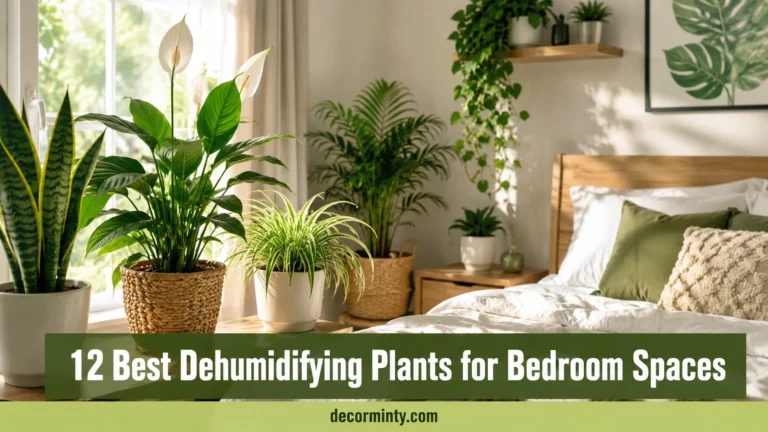
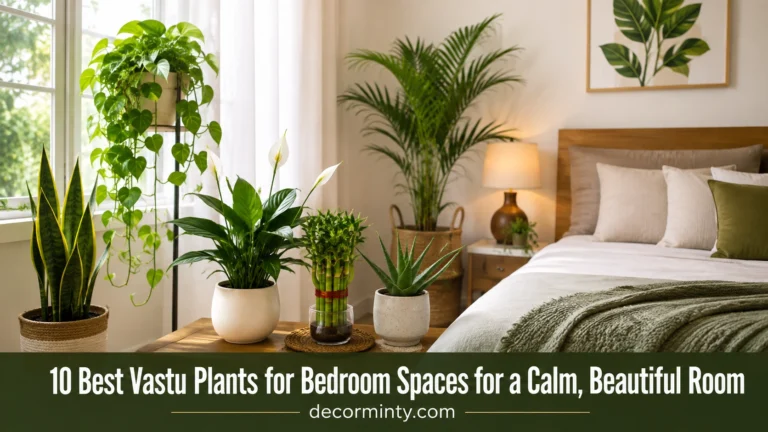
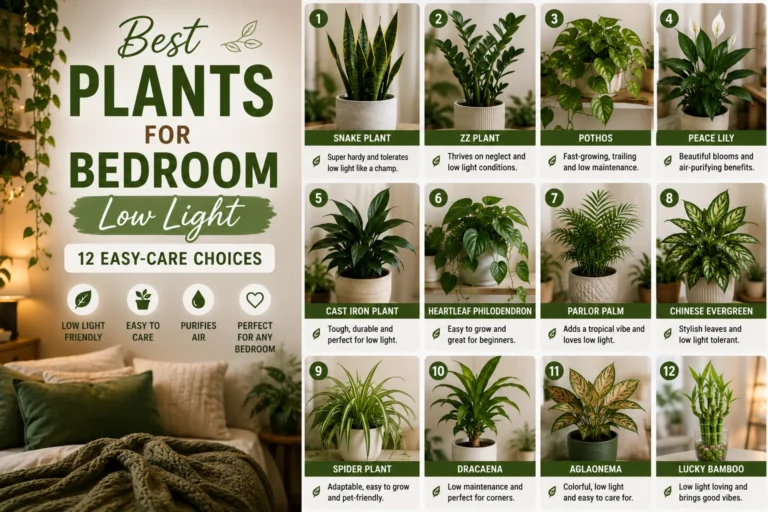
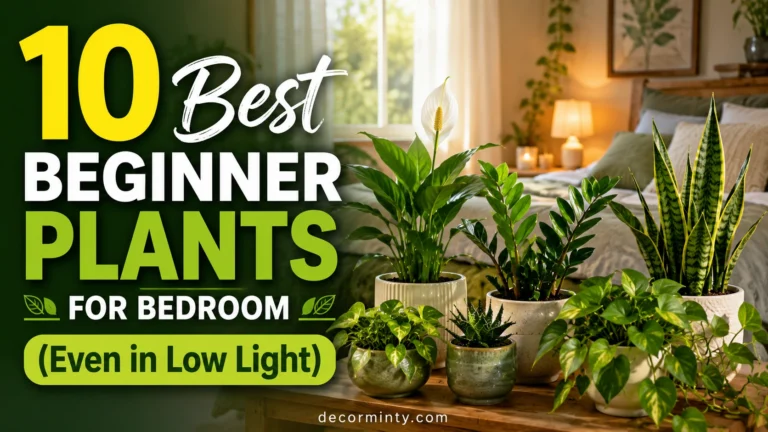
The best plants for bedroom without sunlight are ZZ plant, snake plant, cast iron plant, Chinese evergreen, golden pothos, heartleaf philodendron, peace lily, parlor palm, baby rubber plant, spider plant, corn plant, and rubber plant because all can live without direct sun and handle lower indoor light better than most houseplants.
Here’s the short version before you scroll further:
- ZZ Plant — strongest choice for very dim rooms
- Snake Plant — handles dry soil and weak light
- Cast Iron Plant — slow-growing but extremely shade tolerant
- Chinese Evergreen — patterned foliage for dim bedrooms
- Golden Pothos — trailing growth that survives low light
- Heartleaf Philodendron — soft vines for shelves and dressers
- Peace Lily — best flowering option, but needs some ambient light
- Parlor Palm — pet-friendly tropical look for shady rooms
- Baby Rubber Plant — compact, pet-friendly nightstand pick
- Spider Plant — forgiving plant with hanging plantlets
- Corn Plant — tall greenery without harsh direct sun
- Rubber Plant — bold leaves for rooms with moderate indirect light
One important limit matters: low light is not the same as total darkness. If your bedroom has no window and receives virtually no ambient daylight, add a grow light so even these shade-tolerant plants can keep growing.
Our Top Picks at a Glance
Easiest to Care For — ZZ Plant
Best for Low Light — Snake Plant
Most Beautiful Bloom — Peace Lily
Best for Beginners — Golden Pothos


12 Best Plants for Bedrooms With Little or No Direct Sunlight
 Save
Save#1. ZZ Plant — “The Dark-Corner Champion”
| Sunlight | Very low to bright indirect light, no harsh direct sun |
| Watering | Let the soil dry fully before watering again |
| Pot Size | Keep snug, move up one pot size when root-bound |
| Care Level | Easy |
| Bloom Time | Rare indoors, grown mainly for foliage |
Zamioculcas zamiifolia comes from tropical Africa and stores water in thick underground rhizomes. That reserve is why established plants cope so well with missed watering.
Low light mainly slows its growth. Yellowing stems and persistently wet soil are a stronger warning sign than a missed watering.
Use a well-draining mix and a pot with drainage. Keep it away from pets that chew plants because ZZ plant can irritate the mouth and digestive system if eaten.
Pros
- Excellent dim-light tolerance
- Stores water in rhizomes
- Slow, tidy growth
Watch For
- Root rot from wet soil
- Very slow growth in darkness
- Not pet-safe for chewing
#2. Snake Plant — “The Forgiving One”
| Sunlight | Tolerates very low light, grows faster in indirect light |
| Watering | Allow soil to dry between waterings |
| Pot Size | Snug container with strong drainage |
| Care Level | Easy |
| Bloom Time | Rare indoors |
Dracaena trifasciata, formerly sold as Sansevieria trifasciata, is native to tropical Africa. Its stiff, water-storing leaves make it unusually tolerant of dry indoor conditions.
The biggest danger is treating low light as a reason to water more. In fact, soil dries more slowly when the plant receives less light.
Remove damaged leaves at the base and avoid leaving water around the roots. The plant contains saponins and should stay out of reach of pets that like to chew foliage.
Pros
- Strong low-light tolerance
- Handles dry indoor air
- Needs little pruning
Watch For
- Easy to overwater
- Cold, wet soil
- Toxic if pets eat it
#3. Cast Iron Plant — “The Shade Survivor”
| Sunlight | Low light to bright indirect light, avoid direct sun |
| Watering | Water when the upper soil begins drying |
| Pot Size | Moderate pot with room for slow rhizome growth |
| Care Level | Easy |
| Bloom Time | Flowers are uncommon and insignificant indoors |
Aspidistra elatior is an evergreen rhizomatous plant famous for tolerating shade and neglect. Its broad upright leaves add greenery without demanding a sunny windowsill.
Growth is naturally slow, especially in a dark bedroom. That makes it better for someone who wants a stable plant rather than fast new growth.
Wipe dust from the large leaves and divide crowded rhizomes when needed. The ASPCA lists cast iron plant as non-toxic to cats and dogs.
Pros
- Tolerates deep shade
- Pet-friendly choice
- Handles some neglect
Watch For
- Very slow growth
- Direct sun can scorch
- Soggy soil causes trouble
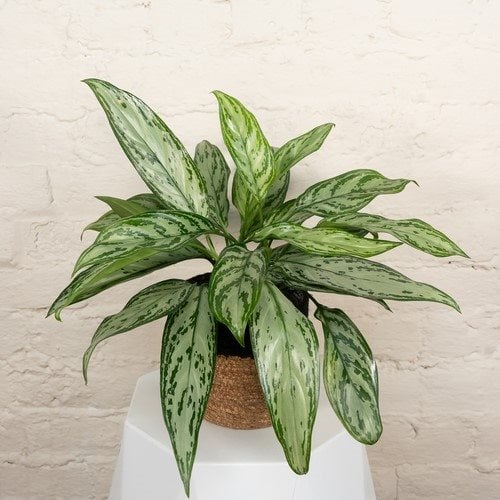
#4. Chinese Evergreen — “The Pattern Lover”
| Sunlight | Low to good indirect light |
| Watering | Keep lightly moist, reducing water in winter |
| Pot Size | Medium container with drainage |
| Care Level | Easy |
| Bloom Time | Occasional summer or fall flowers |
Aglaonema species come from tropical parts of Asia and New Guinea. Darker green varieties are especially useful where light is limited.
Cold drafts are a bigger problem than ordinary bedroom shade. Brown leaves can also appear when the air becomes very dry.
Remove yellowing leaves and old flowers near the base. Keep Chinese evergreen away from pets because calcium oxalate crystals can irritate the mouth if chewed.
Pros
- Excellent foliage variety
- Handles low light
- Compact upright habit
Watch For
- Cold drafts
- Root rot when soaked
- Not pet-safe
#5. Golden Pothos — “The Easy Trailer”
| Sunlight | Survives low light, prefers bright indirect light |
| Watering | Let the potting mix partly dry before watering |
| Pot Size | Small-to-medium pot with drainage |
| Care Level | Easy |
| Bloom Time | Rare indoors, grown for foliage |
Epipremnum aureum is a tropical climbing vine from the Society Islands. Indoors, its long stems make it especially attractive on shelves and hanging planters.
Low light can reduce variegation, but the plant may remain healthy. Wilting leaves and dry soil are clearer signs that it needs water.
Prune long bare stems to encourage fuller growth, or root cuttings in water. A hanging planter with drainage works well, but keep the foliage away from pets because pothos is toxic if chewed.
Pros
- Easy to propagate
- Works in hanging pots
- Survives prolonged low light
Watch For
- Variegation may fade
- Overwatering causes root rot
- Toxic to pets
#6. Heartleaf Philodendron — “The Soft Climber”
| Sunlight | Shade tolerant, best in bright indirect light |
| Watering | Water when the upper potting mix begins drying |
| Pot Size | Medium pot or hanging basket |
| Care Level | Easy |
| Bloom Time | Rare indoors |
Philodendron hederaceum is a tropical American climber with heart-shaped leaves and flexible trailing stems. Its natural growth habit makes it easy to train or let cascade.
Deep shade can eventually create long gaps between leaves. Move it closer to indirect light if new growth becomes thin or stretched.
Pinching the stem tips encourages fuller growth, while stem cuttings root easily. Keep it away from pets because its calcium oxalate crystals can cause painful mouth irritation.
Pros
- Attractive heart-shaped leaves
- Easy stem propagation
- Flexible trailing habit
Watch For
- Leggy growth in darkness
- Wet-soil root rot
- Toxic to pets
#7. Peace Lily — “The Drama Queen”
| Sunlight | Handles lower light, prefers bright filtered light |
| Watering | Keep evenly moist but never waterlogged |
| Pot Size | Slightly snug pot with drainage |
| Care Level | Moderate |
| Bloom Time | Can flower freely with suitable conditions |
Spathiphyllum species come from tropical forest environments and naturally handle shade. Their glossy leaves and white spathes make them one of the few flowering choices on this list.
They need more consistent moisture than ZZ plants or snake plants. Very low light may keep the foliage alive while sharply reducing flowering.
A self-watering indoor planter can help steady moisture if used carefully. Peace lilies contain irritating calcium oxalates, so keep them away from pets.
Pros
- Handles lower light
- Produces attractive white blooms
- Clear thirst signals
Watch For
- Fewer flowers in darkness
- Sensitive to soggy soil
- Not pet-safe
 Save
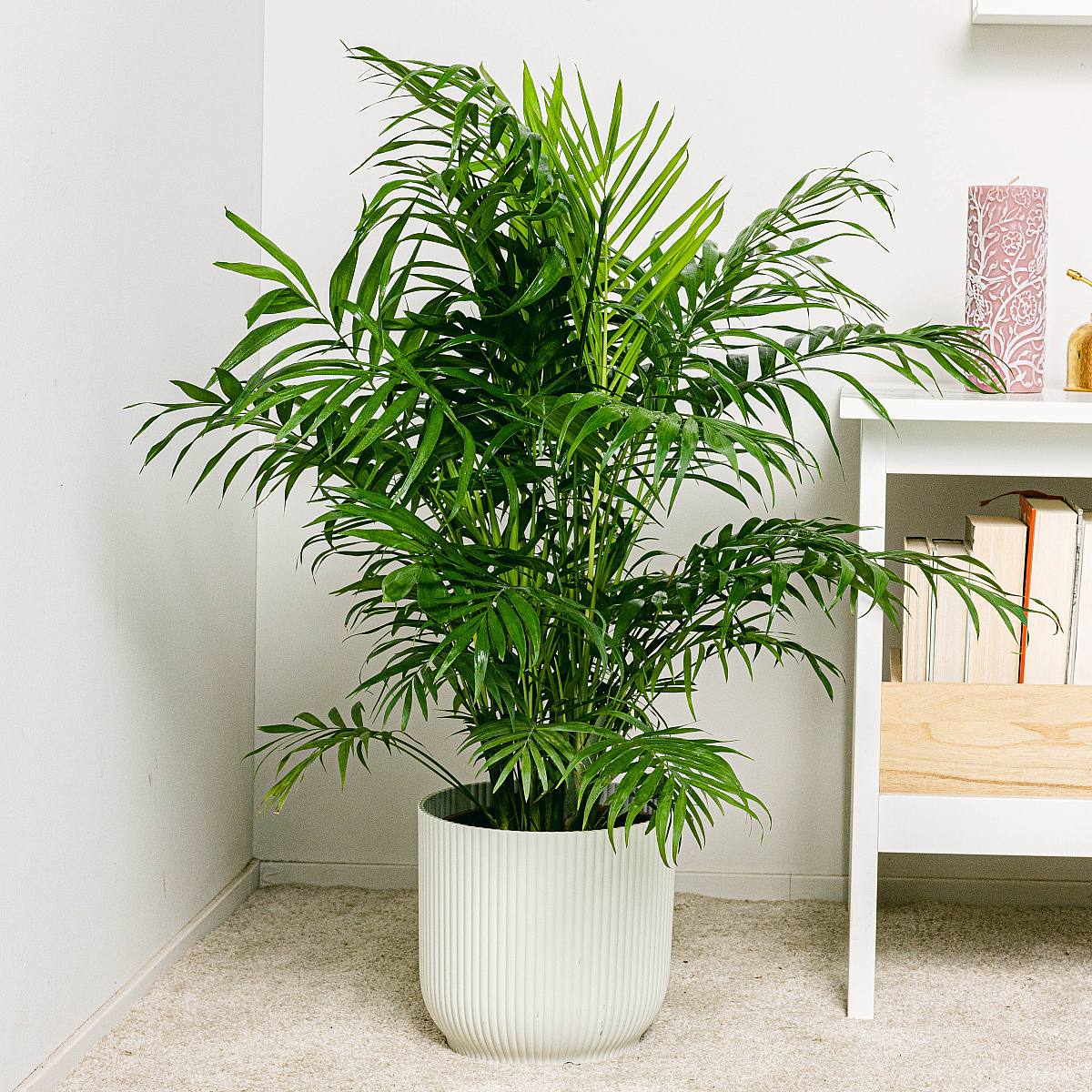
Save#8. Parlor Palm — “The Gentle Tropical”
| Sunlight | Tolerates low light, prefers bright filtered light |
| Watering | Let soil dry slightly between waterings |
| Pot Size | Repot only when necessary |
| Care Level | Easy to Moderate |
| Bloom Time | May produce small yellow flowers with enough light |
Chamaedorea elegans is an understory palm from Mexico and Central America. That forest-floor background explains its ability to adapt to dim indoor spaces.
Dry air can cause brown leaf tips, while constantly wet soil encourages root problems. A little extra humidity often helps during heated winters.
Trim only fully brown fronds rather than cutting healthy green tips. A small indoor plant humidifier can help in very dry rooms, and the ASPCA lists this palm as non-toxic to cats and dogs.
Pros
- Pet-friendly
- Elegant tropical texture
- Adapts to low light
Watch For
- Brown tips in dry air
- Spider mites
- Slow growth
#9. Baby Rubber Plant — “The Nightstand Pick”
| Sunlight | Tolerates low light, prefers bright indirect light |
| Watering | Let the soil partly dry before watering |
| Pot Size | Small pot, repot infrequently |
| Care Level | Easy |
| Bloom Time | Small, insignificant flower spikes |
Peperomia obtusifolia is a compact tropical plant with thick, glossy leaves. Its restrained size makes it a better nightstand or dresser plant than many larger low-light choices.
Green-leaved forms cope with reduced light better than heavily variegated ones. The thick foliage also means it dislikes constantly wet potting mix.
Prune stretched stems to keep the plant bushy and propagate healthy cuttings if desired. The ASPCA lists baby rubber plant as non-toxic to cats and dogs.
Pros
- Compact size
- Pet-friendly
- Slow-growing foliage
Watch For
- Overwatering
- Cold drafts
- Variegation loss in shade
#10. Spider Plant — “The Plantlet Maker”
| Sunlight | Shade tolerant, best with bright indirect light |
| Watering | Keep lightly moist during active growth |
| Pot Size | Small-to-medium pot or hanging basket |
| Care Level | Easy |
| Bloom Time | Small white flowers followed by plantlets |
Chlorophytum comosum comes from southern Africa and produces arching leaves plus baby plantlets on long stems. It works especially well where those stems can hang freely.
Deep shade may reduce plantlet production and variegation. Brown leaf tips often point to dry conditions, watering issues, or mineral buildup.
Remove dead tips and root mature plantlets to make new plants. It is generally listed by the ASPCA as non-toxic to cats and dogs.
Pros
- Easy propagation
- Pet-friendly option
- Great hanging shape
Watch For
- Brown leaf tips
- Root rot when waterlogged
- Less growth in deep shade
#11. Corn Plant — “The Tall Minimalist”
| Sunlight | Moderate filtered light, tolerates some lower light |
| Watering | Keep moderately moist, reduce water in winter |
| Pot Size | Repot when roots crowd or lift the plant |
| Care Level | Easy to Moderate |
| Bloom Time | Fragrant flowers are uncommon indoors |
Dracaena fragrans is a tropical African species that develops cane-like stems topped by long leaves. Indoors, mature plants create height without taking over much floor space.
It is less tolerant of extreme darkness than ZZ or cast iron plants. Narrow new leaves can indicate that the plant needs more indirect light.
Trim brown tips cleanly and repot only when the roots become crowded. Corn plant contains saponins and is toxic to cats and dogs if eaten.
Pros
- Useful vertical shape
- No direct sun needed
- Durable foliage plant
Watch For
- Very dark rooms
- Brown leaf tips
- Toxic to pets
 Save
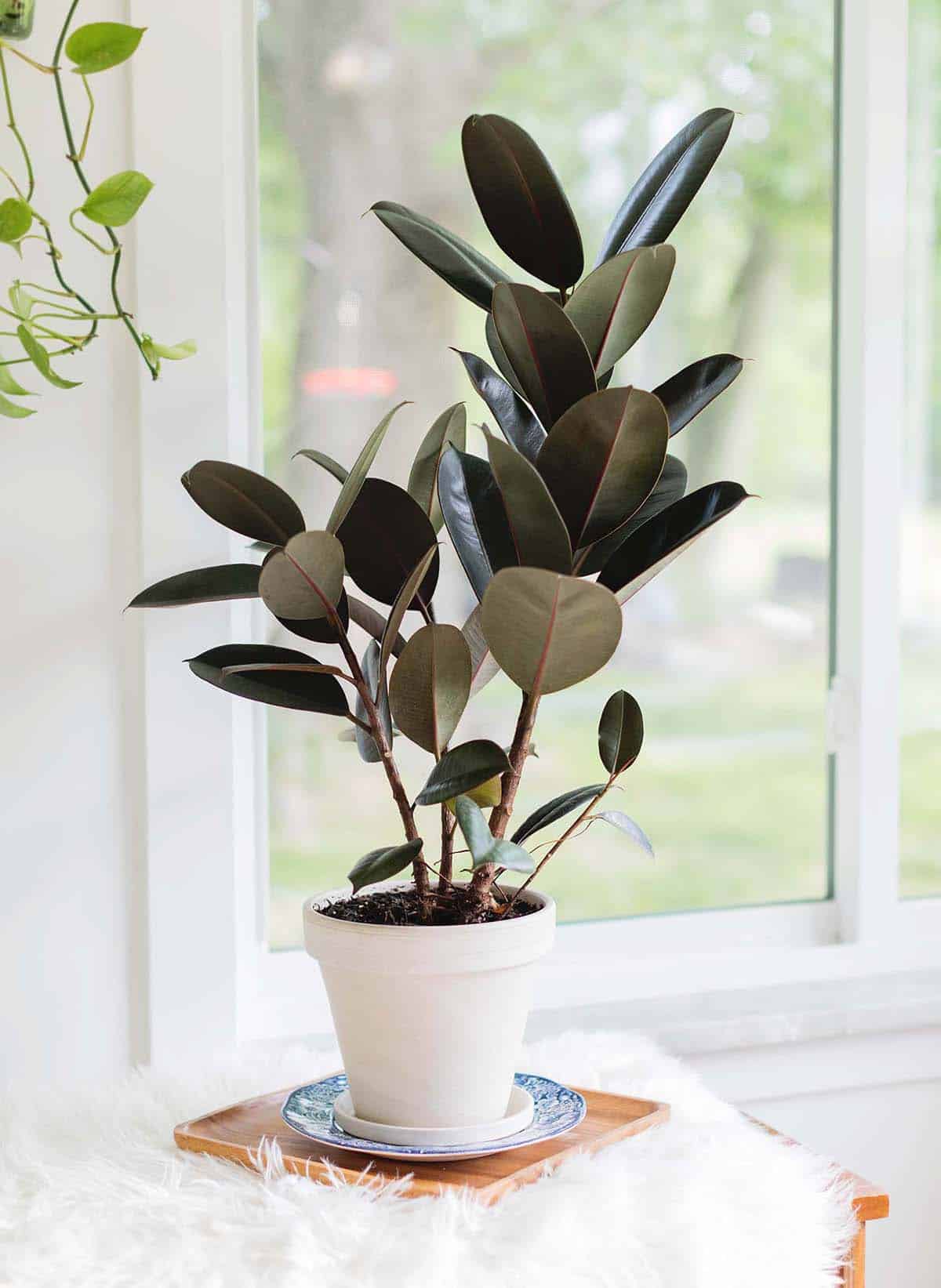
Save#12. Rubber Plant — “The Bold Statement”
| Sunlight | Partial shade to bright indirect light |
| Watering | Water regularly but let excess water drain |
| Pot Size | Move up one size as roots fill the container |
| Care Level | Moderate |
| Bloom Time | N/A — grown indoors for foliage |
Ficus elastica comes from tropical Asia and develops large, glossy leaves on an upright woody stem. Its bold shape works well where you want one substantial bedroom plant.
It tolerates partial shade, but stronger indirect light produces better growth. A completely dark room is not a good long-term location.
Wipe the broad leaves to remove dust and prune carefully if the plant becomes too tall. Its milky sap can irritate skin, so wash your hands after pruning.
Pros
- Bold glossy foliage
- Useful floor plant
- Tolerates partial shade
Watch For
- Needs more light than ZZ
- Sap can irritate skin
- Dislikes constantly wet soil
Basic Care Tips for Low-Light Bedroom Plants
Low-light plants are forgiving, but they still respond to the conditions around them. The biggest change in a darker room is how slowly the potting mix dries.
- Check the soil before watering — Never assume a plant needs water because a week has passed. Lower light means slower growth and slower water use.
- Keep drainage holes open — Standing water around roots is one of the fastest ways to damage ZZ plants, snake plants, pothos, and many other bedroom plants.
- Watch the direction of new growth — Pale leaves, stretched stems, or a plant leaning hard toward a doorway can signal inadequate light. The Missouri Botanical Garden’s indoor plant guidance explains that plants in insufficient light often become pale or stretched.
- Learn the needs of your exact plant — General houseplant advice helps, but watering, humidity, and light tolerance vary. The Royal Horticultural Society houseplant guide is a useful starting point.
If low maintenance matters just as much as low light, compare these picks with our best low maintenance indoor plants for bedroom.
Common Mistakes to Avoid
Most problems in a dark bedroom come from treating a low-light plant exactly like one sitting beside a sunny window.
Watering on a fixed weekly schedule — Soil stays damp longer in weak light. Watering before the root zone has dried enough can lead to oxygen-starved roots and rot.
Putting a plant in complete darkness — Shade tolerance does not remove a plant’s need for light. A truly windowless bedroom needs supplemental artificial light.
Choosing variegated plants for the darkest corner — Variegated pothos and Chinese evergreen often lose color or grow poorly when light becomes extremely weak.
Ignoring pet safety — Several popular low-light plants can irritate cats or dogs. Check the ASPCA toxic and non-toxic plant database before bringing an unfamiliar plant home.
Moving a shade-grown plant straight into intense sun — A sudden jump from a dark room to strong direct sunlight can scorch foliage. Increase light gradually instead.
New to houseplants? Our best beginner plants for bedroom guide gives you more forgiving options to compare.
Signs Your Bedroom Plant Needs More Light
Plants usually show several clues before low light becomes a serious problem.
- Long gaps between leaves — Pothos and philodendron stems may stretch as they search for brighter conditions.
- Pale or smaller new leaves — Weak new growth often means the plant is struggling to collect enough light.
- Loss of variegation — Patterned leaves may become greener in an effort to produce more chlorophyll.
- No new growth for months — Slow growth is normal in winter, but prolonged stagnation during the growing season can point to insufficient light.
- Leaning toward a doorway or lamp — Strong directional growth is a simple clue that the plant wants a brighter location.
If you want more choices built around bedroom conditions rather than only deep shade, see our broader guide to the best plants for bedroom spaces.
And if pet safety or indoor-air concerns are part of your decision, our air purifying plants for bedroom guide compares another useful group of indoor plants.
Have a Bedroom With Truly No Natural Light?
A full-spectrum LED grow light solves the biggest limitation discussed above. Use it to give a windowless-room plant a consistent source of usable light rather than expecting a shade-tolerant plant to survive permanent darkness.
Frequently Asked Questions
Q: Can plants survive in a bedroom with no sunlight?
A: Plants can live without direct sunlight, but they cannot live indefinitely without usable light. A windowless bedroom normally requires an artificial grow light.
Q: What plant is best for a very dark bedroom?
A: ZZ plant, snake plant, cast iron plant, and Chinese evergreen are among the strongest choices for very low light. Even these grow better when some ambient or artificial light is available.
Q: Which low-light bedroom plants are pet-friendly?
A: Cast iron plant, parlor palm, and baby rubber plant are useful options listed as non-toxic to cats and dogs by the ASPCA. Spider plant is also commonly listed as non-toxic.
Q: Do low-light plants need less water?
A: Usually, yes. Lower light slows growth and water use, so the soil often stays wet longer. Always check the potting mix instead of watering by the calendar alone.
Q: Can I leave a grow light on all day and night?
A: No. Plants benefit from a regular light and dark cycle. Use a timer rather than leaving the lamp running continuously.
Q: Why is my low-light plant turning yellow?
A: Yellow leaves can have several causes, but overly wet soil is common in dark rooms because pots dry slowly. Check soil moisture and drainage before adding more water.
Final Thoughts
If your bedroom is genuinely dim, start with ZZ plant, snake plant, cast iron plant, or Chinese evergreen. They give you the widest margin for error when natural light is limited.
For a completely windowless room, choose the plant you love and add a grow light instead of expecting it to live in permanent darkness.
Which plant are you adding to your space first? Save this post to Pinterest so you can come back whenever you need fresh plant inspo!

I’m a home decor enthusiast who loves discovering beautiful room ideas, creative DIY projects, and Pinterest-worthy decorating inspiration. At DecorMinty, I share simple tips, fresh trends, and practical ideas to help you create a home you’ll truly love—one room at a time.