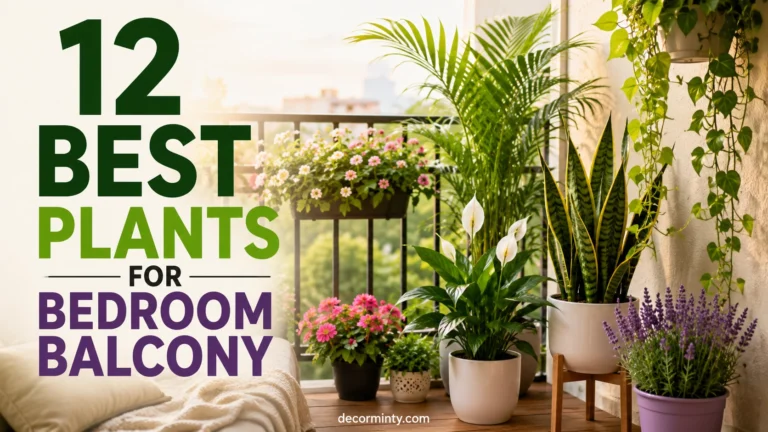
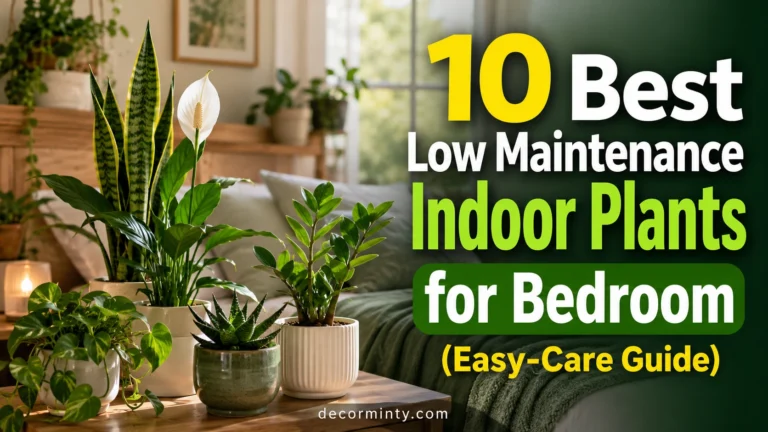
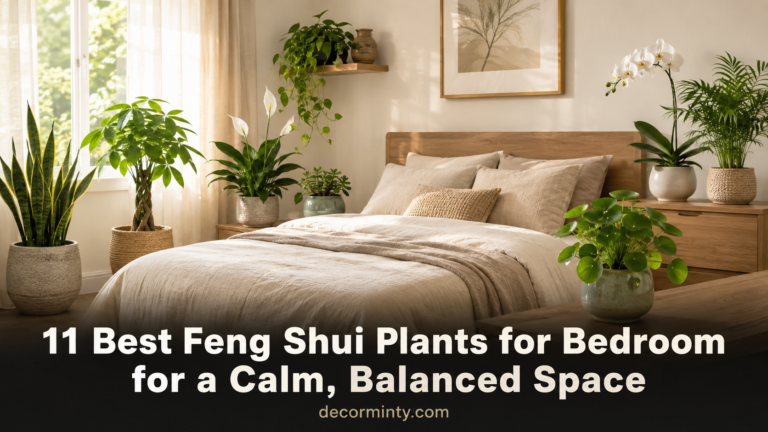
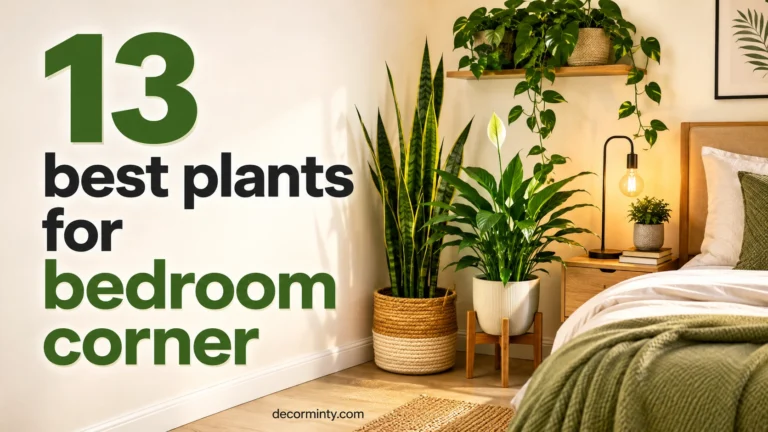
10 Best Vastu Plants for Bedroom Spaces for a Calm, Beautiful Room
Quick Answer
The best Vastu plants for bedroom spaces include snake plant, money plant, peace lily, lucky bamboo, areca palm, aloe vera, jasmine, rubber plant, jade plant, and lavender because they combine traditional associations with harmony, prosperity, calm, or positive energy with practical indoor-growing potential.
Here’s the short version before you scroll further:
- Snake Plant — Best for darker bedrooms and forgetful waterers.
- Money Plant — A trailing Vastu favorite that adapts to indirect light.
- Peace Lily — Best flowering choice for softer indirect light.
- Lucky Bamboo — Compact, tidy, and able to grow without soil.
- Areca Palm — Makes a larger bedroom feel lush and relaxed.
- Aloe Vera — A drought-tolerant pick for a sunny windowsill.
- Jasmine — Choose it when fragrance matters and light is strong.
- Rubber Plant — A glossy statement plant for medium-to-bright rooms.
- Jade Plant — Compact succulent traditionally linked with prosperity.
- Lavender — Fragrant and calming-looking, but needs your sunniest spot.
The best choice is the plant that can actually thrive in your bedroom’s light and temperature. Vastu associations are traditional beliefs rather than scientifically proven effects, so keep the plant healthy first and use placement traditions as a secondary guide.
Our Top Picks at a Glance
Easiest to Care For — Snake Plant
Best for Lower Light — Money Plant
Most Beautiful Bloom — Peace Lily
Best for a Sunny Bedroom — Aloe Vera


10 Best Vastu Plants for Bedroom Spaces
 Save
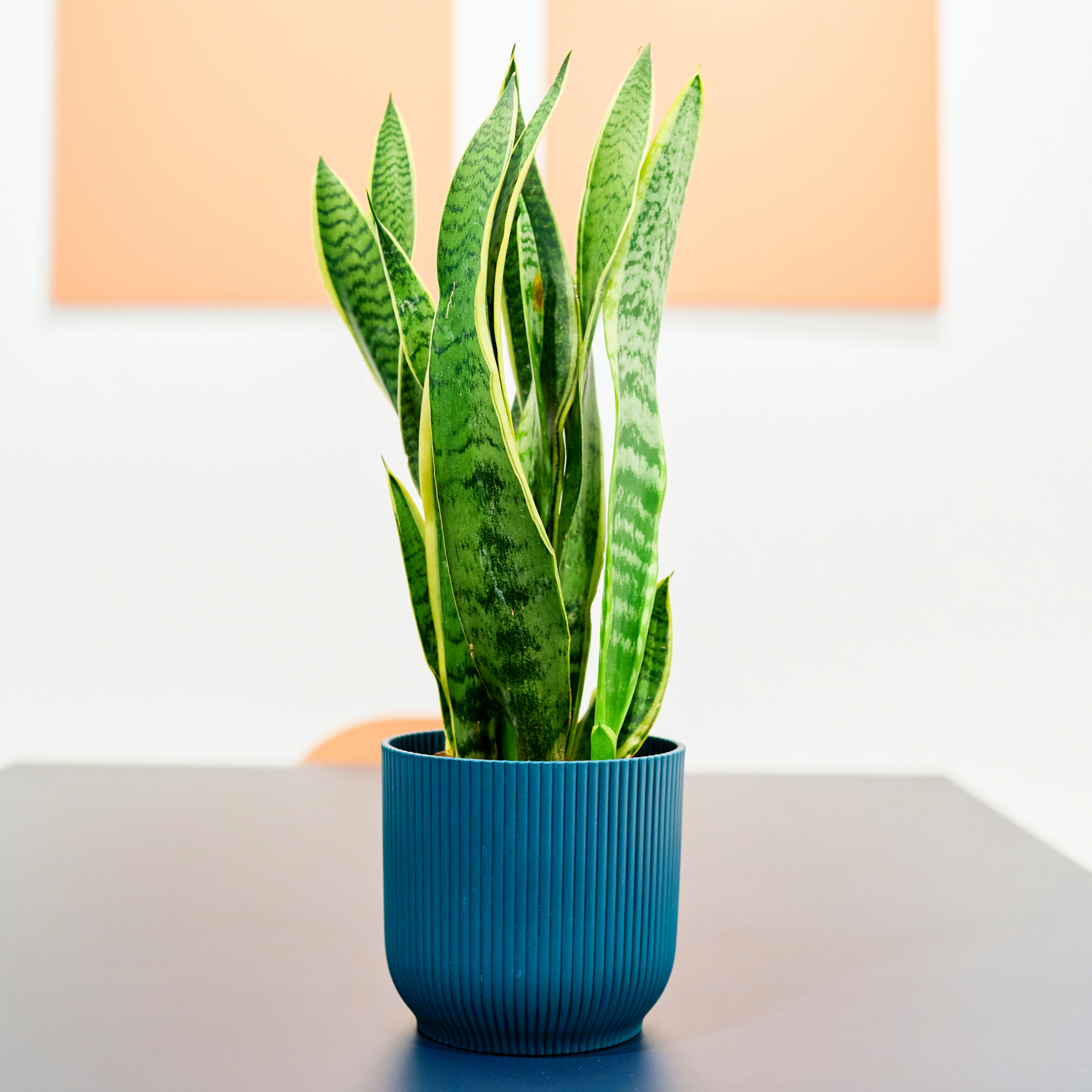
Save#1. Snake Plant — “The Forgiving One”
| Sunlight | Bright indirect light is best, but it tolerates low light |
| Watering | Let the potting mix dry well before watering again |
| Pot Size | A snug pot slightly wider than the root mass |
| Care Level | Easy |
| Bloom Time | Occasional indoors, not grown mainly for flowers |
Snake plant, botanically Dracaena trifasciata and formerly classified as Sansevieria trifasciata, is native to tropical Africa. Its upright, sword-shaped leaves make it useful where floor space is limited.
Vastu traditions often associate its strong upward growth with protective or positive energy. Practically, its biggest advantage is tolerance: it can survive lower light, although growth is stronger when you give it brighter indirect light.
Overwatering is the main danger, so use free-draining soil and never leave the roots sitting in water. A free-draining succulent potting mix can make that easier. Keep the plant away from pets that chew foliage because snake plant is toxic to cats and dogs if eaten.
Pros
- Tolerates uneven bedroom light
- Needs relatively infrequent watering
- Upright shape uses little floor space
Watch For
- Root rot from frequent watering
- Slow growth in very dark positions
- Toxicity to cats and dogs if eaten
#2. Money Plant — “The Easygoing Trailer”
| Sunlight | Bright indirect light, with good tolerance of some shade |
| Watering | Water when the top layer of potting mix has dried |
| Pot Size | Small-to-medium pot with drainage, sized to the root ball |
| Care Level | Easy |
| Bloom Time | Rarely flowers indoors, grown for foliage |
Money plant or golden pothos is Epipremnum aureum, an evergreen climber in the Araceae family. In a bedroom, its long stems can trail from a shelf or climb a support without taking over valuable floor space.
It is one of the plants most commonly connected with prosperity in popular Vastu traditions. From a care standpoint, it is attractive for beginners because it handles a wider light range than many decorative foliage plants.
Let the upper layer of potting mix dry before watering and trim bare or excessively long vines to encourage a fuller shape. A hanging planter with drainage works well beside a bright window. Pothos contains insoluble calcium oxalates, so keep it beyond the reach of cats and dogs.
Pros
- Adaptable to several light levels
- Easy to propagate from stem cuttings
- Excellent for vertical decorating
Watch For
- Root rot in constantly wet compost
- Loss of variegation in deep shade
- Toxicity if pets chew the leaves
#3. Peace Lily — “The Quiet Bloomer”
| Sunlight | Filtered or indirect light, no harsh midday sun |
| Watering | Water when the surface starts drying; leaves may droop when thirsty |
| Pot Size | Keep slightly snug and move up one size when rootbound |
| Care Level | Easy to Moderate |
| Bloom Time | Mainly spring and summer under good conditions |
Peace lily, usually sold as Spathiphyllum wallisii or related cultivars, comes from tropical American forests. Its glossy foliage and white spathes give it a softer look than upright architectural plants.
Traditional Vastu-inspired lists frequently connect the peace lily with harmony and calm, which explains its popularity for restful rooms. It also tolerates indirect light well, although better light generally supports stronger flowering.
Keep the compost lightly moist rather than waterlogged, and wipe broad leaves occasionally so dust does not build up. Choose a pot with a drainage hole and saucer. Peace lilies contain irritating calcium oxalate crystals and should be kept away from pets and small children who may chew them.
Pros
- Flowers without intense direct sun
- Drooping can signal thirst
- Compact cultivars fit small bedrooms
Watch For
- Leaf scorch in strong direct sun
- Root problems in soggy soil
- Harmful if chewed by pets
#4. Lucky Bamboo — “The Space Saver”
| Sunlight | Bright indirect light, protected from direct sun |
| Watering | Keep soil lightly moist or refresh water-grown containers regularly |
| Pot Size | Compact weighted container sized to hold stems securely |
| Care Level | Easy |
| Bloom Time | Rarely flowers indoors |
Despite its name, lucky bamboo is not a true bamboo. It is Dracaena sanderiana, a tropical plant native to parts of central Africa and valued for its upright stems.
Lucky bamboo is better known in Feng Shui, but it also appears frequently in modern Vastu-inspired home decor because of its traditional associations with harmony and good fortune. Its small footprint makes it practical beside a bed or on a dresser.
If you grow it in water, use clean water and replace it regularly. Avoid harsh direct sunlight, which can damage the foliage, and rotate the container occasionally for balanced growth.
Pros
- Can grow without potting soil
- Excellent for small surfaces
- Neat upright growth habit
Watch For
- Brown tips from poor water quality
- Stem rot in stagnant water
- Leaf damage from strong sun
 Save
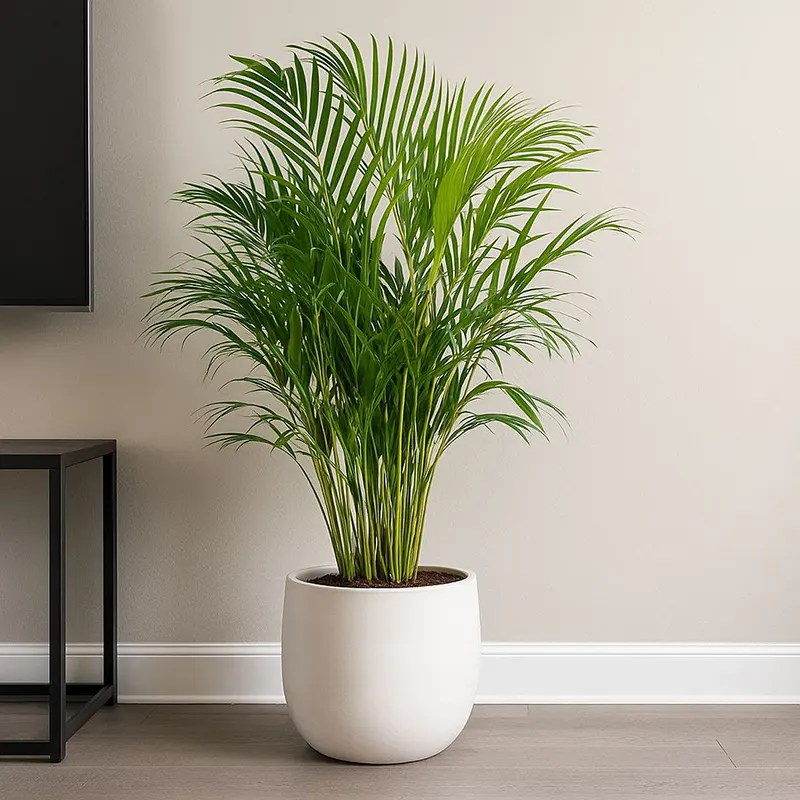
Save#5. Areca Palm — “The Soft Statement”
| Sunlight | Bright indirect light |
| Watering | Keep lightly moist during active growth, never soggy |
| Pot Size | Stable floor pot matched closely to the root ball |
| Care Level | Moderate |
| Bloom Time | Rarely flowers indoors |
Areca palm, now often botanically listed as Chrysalidocarpus lutescens and long known as Dypsis lutescens, is native to Madagascar. Its arching fronds create a softer silhouette than stiff upright foliage.
Popular Vastu guidance often associates palms with balanced or positive surroundings. This plant works best in a bedroom that has enough floor space and a bright filtered-light position.
Keep the potting mix moist during active growth without leaving the roots waterlogged. Dry indoor air can brown the leaf tips, so keep it away from heating vents and very dry drafts.
Pros
- Softens an empty bedroom corner
- Attractive feathery foliage
- Creates strong visual impact
Watch For
- Brown tips in very dry air
- Spider mites indoors
- Too large for cramped bedrooms
#6. Aloe Vera — “The Sunny Survivor”
| Sunlight | Very bright light, ideally near a sunny window |
| Watering | Allow the soil to dry thoroughly between waterings |
| Pot Size | Snug terracotta pot with several drainage holes |
| Care Level | Easy |
| Bloom Time | Mature plants may flower under very bright conditions |
Aloe vera is a succulent native to the Arabian Peninsula that grows in a rosette of fleshy leaves. It spreads by producing offsets, making an established plant easy to divide.
Aloe frequently appears in modern Vastu plant lists as a symbol of protection, health, or positive energy. Unlike several other choices here, though, it is not suitable for a dim bedroom.
Place it at your brightest window and let the potting mix dry before soaking it again. A breathable terracotta pot with drainage helps excess moisture escape. Aloe is listed as toxic to cats and dogs if plant material is eaten.
Pros
- Handles dry soil well
- Produces easy-to-separate offsets
- Compact architectural shape
Watch For
- Rot from frequent watering
- Weak growth in low light
- Toxicity to pets if ingested
#7. Jasmine — “The Fragrant Romantic”
| Sunlight | Bright indirect light with some gentle sun |
| Watering | Water when the upper few centimetres of compost feel dry |
| Pot Size | Medium pot with support for climbing stems |
| Care Level | Moderate |
| Bloom Time | Often late winter through spring indoors, depending on conditions |
For indoor growing, Jasminum polyanthum is one of the most familiar fragrant jasmines. Its pink buds open into clusters of intensely scented white flowers.
Jasmine is traditionally connected with love, harmony, and positive relationships in Vastu-inspired guidance. The trade-off is light: it needs a brighter bedroom than pothos or snake plant.
Give the vines a small support and prune after flowering to maintain a manageable shape. A small indoor plant trellis keeps vigorous growth organized. If strong fragrance bothers you at night, move flowering plants farther from the bed.
Pros
- Naturally fragrant flowers
- Can be trained decoratively
- Traditional romantic symbolism
Watch For
- Poor flowering in dim bedrooms
- Fast-growing vines need pruning
- Strong scent may overwhelm sensitive sleepers
#8. Rubber Plant — “The Polished Statement”
| Sunlight | Bright filtered or indirect light |
| Watering | Water moderately, allowing some drying between drinks |
| Pot Size | Stable pot, moving up gradually as roots fill it |
| Care Level | Easy to Moderate |
| Bloom Time | Rarely flowers or fruits indoors |
Ficus elastica is a tropical evergreen tree known for broad, glossy leaves. Outdoors it can become enormous, while indoor pruning keeps it suitable as a statement houseplant.
Its rounded, substantial foliage has made rubber plant a frequent recommendation in modern Vastu and Feng Shui-inspired interiors. It looks especially good where a bedroom needs one larger plant rather than several small pots.
Keep it in bright filtered light and avoid constantly changing its location. Wipe dusty leaves with a damp cloth and prune the main stem if you want to encourage branching rather than height.
Pros
- Dramatic glossy leaves
- Can be pruned for height control
- Works as a single focal plant
Watch For
- Leaf drop after environmental stress
- Cold drafts
- Irritating milky sap when cut
#9. Jade Plant — “The Little Prosperity Tree”
| Sunlight | Bright light, ideally several hours near a sunny window |
| Watering | Water only after the soil has dried |
| Pot Size | Snug, sturdy pot with excellent drainage |
| Care Level | Easy |
| Bloom Time | Rare indoors; grown mainly for succulent foliage |
Crassula ovata is a South African succulent that develops thick stems and rounded, fleshy leaves. Older specimens can resemble miniature trees, which makes even a small pot visually substantial.
Jade is widely associated with prosperity and steady growth in traditional home-energy practices. For bedroom use, however, its success depends much more on giving it adequate light than on its exact decorative location.
Use cactus or succulent compost and reduce watering sharply during slower winter growth. Leaf or stem cuttings root readily, making jade one of the easiest plants here to propagate.
Pros
- Stores water in fleshy leaves
- Easy to propagate
- Tree-like appearance stays compact
Watch For
- Leggy growth without enough light
- Root rot from excess watering
- Heavy mature stems may need a stable pot
 Save
Save#10. Lavender — “The Sun-Loving Scent”
| Sunlight | Full sun or the brightest indoor position available |
| Watering | Water after the compost begins drying; never keep constantly wet |
| Pot Size | Container with excellent drainage and room for the root ball |
| Care Level | Moderate indoors |
| Bloom Time | Typically late spring through summer |
Lavender, especially compact forms of Lavandula angustifolia, is loved for aromatic foliage and purple flowers. Unlike pothos or peace lily, lavender is fundamentally a sun-loving plant.
It appears in many modern Vastu-inspired bedroom lists because fragrance and soft color are associated with calm surroundings. That symbolism is appealing, but a dark bedroom will not keep lavender healthy for long.
Place it at your sunniest window, provide excellent drainage, and avoid permanently damp compost. Regular trimming after flowering helps prevent the plant from becoming loose and woody.
Pros
- Naturally aromatic foliage and flowers
- Attractive silver-green foliage
- Handles relatively dry conditions
Watch For
- Needs much more light than most bedroom plants
- Dislikes wet, poorly drained soil
- May perform better outdoors part of the year
How to Choose the Right Vastu Plant for Your Bedroom
Start with your actual growing conditions rather than choosing by symbolism alone. A healthy plant contributes far more beauty to a bedroom than a struggling plant placed in a theoretically perfect direction.
- Measure your light realistically — Snake plant and pothos cope with softer conditions, while aloe, jade, jasmine, and lavender need much brighter positions. The University of Minnesota indoor plant lighting guide explains how window direction and distance affect available light.
- Match the plant to your available space — Lucky bamboo fits a nightstand, pothos can trail vertically, while areca palm and rubber plant need more floor and head room.
- Think about pets before placement — Several popular bedroom plants can irritate or poison cats and dogs if chewed. Review the ASPCA toxic and non-toxic plant database before putting an unfamiliar species within reach.
- Use Vastu as a preference, not a substitute for plant care — Directional recommendations vary between practitioners. If a suggested corner is too dark for your chosen plant, move the plant to healthier light rather than letting it decline.
If your bedroom is naturally dim, compare more realistic options in our guide to the best plants for bedroom low light.
Basic Bedroom Plant Care Tips for Beginners
Bedroom plants usually fail because of mismatched light or watering, not because they need complicated routines. Keep your approach simple and respond to what the plant is showing you.
- Check soil before watering — Do not give every plant a weekly drink automatically. Snake plant, aloe, and jade should dry much more thoroughly than peace lily or areca palm.
- Keep drainage holes open — Empty decorative saucers after watering so roots are not left submerged.
- Rotate plants occasionally — A quarter-turn every week or two can prevent strongly directional growth toward the window.
- Clean broad leaves — Dust can accumulate on rubber plant, peace lily, and pothos. A gentle wipe with a damp cloth keeps foliage looking better.
- Do not rely on plants as air purifiers — Chamber experiments have shown pollutant removal by plants, but a review of published research found that ordinary potted plants do not remove indoor VOCs quickly enough to replace normal ventilation or filtration. You can read the research summary through PubMed.
If air-related plant claims are part of your decision, see our comparison of plants commonly chosen for bedroom air and our guide to oxygen-producing bedroom plants.
Common Mistakes to Avoid With Bedroom Plants
Most bedroom plant problems come from repeating a simple care habit even when the plant does not need it.
Watering on a fixed schedule without checking the soil — Succulents such as aloe, jade, and snake plant can rot when their roots remain wet. Check the potting mix first and water according to the plant rather than the calendar.
Putting a sun-loving plant in a dark Vastu-preferred corner — Lavender, aloe, jade, and jasmine will not stay compact and healthy without adequate light. Plant health has to come before decorative direction.
Leaving water trapped inside a decorative cachepot — A beautiful outer pot can hide standing water around the nursery container. That reduces oxygen around roots and encourages rot.
Buying several fragrant plants for a small sleeping area — Jasmine and lavender can smell wonderful, but fragrance intensity is personal. Start with one plant and see how comfortable the room feels overnight.
Ignoring pet access — Pothos, peace lily, snake plant, and aloe are among the plants that need extra caution around curious cats or dogs. A high shelf is not enough if your pet can climb to it.
For a fragrance-focused bedroom instead, compare plants with different light needs in our guide to the best smelling plants for bedroom spaces.
Make Overwatering Less Likely From Day One
Standing water is one of the easiest ways to damage bedroom plants. A sturdy indoor planter with a real drainage hole and removable saucer lets excess water escape instead of collecting around the roots.
Frequently Asked Questions
Q: Which Vastu plant is best for a bedroom?
A: Snake plant is one of the easiest choices because it tolerates a wider range of indoor conditions and needs relatively infrequent watering. Peace lily and pothos are also practical when your room receives indirect light.
Q: Can I keep a money plant in the bedroom according to Vastu?
A: Money plant frequently appears in Vastu-inspired home guidance because of its traditional association with prosperity. From a horticultural perspective, keep it in indirect light and avoid letting its potting mix remain permanently wet.
Q: Is snake plant good for a bedroom according to Vastu?
A: Snake plant is widely included in modern Vastu plant lists and is especially practical for bedrooms because it tolerates softer light and dry intervals. Do not overwater it.
Q: Which bedroom Vastu plant needs the least care?
A: Snake plant is generally the most forgiving option in this list. Pothos is another strong beginner choice, while aloe and jade are easy when you have enough sunlight and resist the urge to overwater them.
Q: Can lavender grow inside a bedroom?
A: It can, but only when the bedroom provides very strong light and good airflow. Lavender is much more demanding indoors than snake plant, pothos, or peace lily and may perform better outdoors for part of the year.
Q: How many plants should I keep in my bedroom?
A: There is no scientifically established ideal number. Start with one or two plants that fit your available light and space, then add more only if you can care for them without creating clutter or excess moisture.
Final Thoughts
The best Vastu plants for bedroom spaces are not simply the plants with the strongest traditional symbolism. They are the ones that match your room’s light, available space, watering habits, and household safety needs.
Choose snake plant or pothos for flexibility, peace lily for flowers, jasmine or lavender for fragrance, and aloe or jade when you have a genuinely sunny window. Keep the plant healthy, then use Vastu placement ideas in whatever way feels meaningful in your home.
Which plant are you adding to your space first? Save this post to Pinterest so you can come back whenever you need fresh plant inspo!

I’m a home decor enthusiast who loves discovering beautiful room ideas, creative DIY projects, and Pinterest-worthy decorating inspiration. At DecorMinty, I share simple tips, fresh trends, and practical ideas to help you create a home you’ll truly love—one room at a time.