Best Oxygen-Producing Plants for Bedroom: 10 Low-Light Winners
Quick Answer
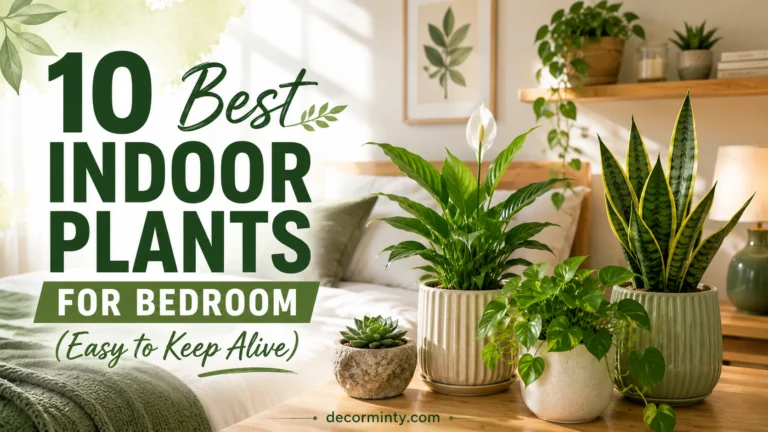
The best oxygen producing plants for bedroom are the snake plant, peace lily, pothos, ZZ plant, aloe vera, areca palm, Chinese evergreen, corn plant, heartleaf philodendron, and parlor palm, and they all made this list because each one tolerates low, uneven bedroom light, forgives inconsistent watering schedules, and releases oxygen—some actively at night—making them ideal companions while you sleep.
Here’s the short version before you scroll further:
- Snake Plant — Releases oxygen at night using CAM photosynthesis, virtually indestructible
- Peace Lily — Low-light superstar that visibly droops when thirsty, eliminating guesswork
- Pothos — The fastest grower on this list, rewards you with visible new vines weekly
- ZZ Plant — Glossy, sculptural leaves that thrive when forgotten for weeks
- Aloe Vera — Succulent that produces oxygen at night plus offers medicinal gel
- Areca Palm — Tropical-looking oxygen machine with feathery fronds and built-in air-purifying power
- Chinese Evergreen — Stunning variegated foliage that tolerates lower light than most plants
- Corn Plant — Tree-like statement piece that purifies air and grows slowly enough to manage
- Heartleaf Philodendron — Trailing vines that grow quickly and adapt to bedside tables or hanging baskets
- Parlor Palm — Elegant Victorian-era classic that brings tropical style to dim corners
The deciding factor usually isn’t which plant filters the most air—it’s whether you have pets in the house, how dark your room actually is, and whether you’ll remember to water on a schedule. Match the plant to those things first, and the oxygen production comes along for free.
Our Top Picks at a Glance
Easiest to Care For — Snake Plant
Best for Low Light — Peace Lily
Fastest Growing — Pothos
Best for Forgetful Waterers — ZZ Plant
10 Oxygen-Producing Plants That Thrive in Bedroom Light
#1. Snake Plant — “The Nighttime Oxygen Machine”
| Sunlight | Low to bright indirect light |
| Watering | Every 2-4 weeks when soil is completely dry to the touch |
| Pot Size | 6-8 inches for a mature plant |
| Care Level | Easy |
| Bloom Time | Rarely flowers indoors, grown for foliage |
The snake plant, scientifically known as Sansevieria trifasciata and commonly called Mother-in-Law’s Tongue for its sharp leaves, is native to tropical West Africa. Unlike most plants that release oxygen only during daylight hours, the snake plant uses CAM photosynthesis—a special adaptation from its desert origins—to actively absorb carbon dioxide and release oxygen throughout the night, making it the ideal bedroom companion.
What makes this plant especially remarkable is how visibly it signals when it’s struggling. The leaves will flatten slightly and lose their usual firmness if water sits in the soil too long, giving you immediate feedback without guesswork. This feedback loop makes it nearly impossible to accidentally kill, even for first-time plant parents.
Beyond nighttime oxygen production, snake plants excel at removing formaldehyde and benzene from indoor air—toxins commonly found in furniture and cleaning products. Repot only every 2-3 years since slow growth is the norm, and avoid placing it where pets can chew on the leaves, as they are mildly toxic if ingested.
Pros
- Produces oxygen actively at night
- Tolerates weeks of neglect without complaint
- Works in extremely low-light bedrooms
Watch For
- Mildly toxic to pets if ingested
- Root rot occurs instantly if overwatered
- Slow grower, may take years to fill a pot
 Save
Save#2. Peace Lily — “The Mood Ring Plant”
| Sunlight | Low to medium indirect light |
| Watering | When top inch of soil feels dry, typically every 7-10 days |
| Pot Size | 8-10 inches for established plants |
| Care Level | Easy |
| Bloom Time | Spring to early summer, white spathe flowers |
The peace lily, called Spathiphyllum wallisii botanically, is native to the tropical rainforests of Central America and Southeast Asia. It thrives in low-light conditions that would cause most houseplants to deteriorate, making it exceptional for bedrooms with minimal natural sunlight or windows blocked by buildings or trees.
The magic of the peace lily is its communication system. When thirsty, the entire plant visibly wilts—leaves droop dramatically within hours of the soil drying out. Water it once, and within 30 minutes the leaves perk back up, giving you immediate visual confirmation that you’ve done the right thing. This makes it impossible to wonder whether your plant needs water.
Beyond oxygen production, peace lilies actively remove toxins like formaldehyde and benzene from the air. They occasionally produce elegant white flowers indoors when conditions are ideal, though foliage is their main appeal. Repot annually in spring to keep the plant vigorous, and keep it away from cold drafts as it prefers warmth above 60 degrees Fahrenheit.
Pros
- Visibly wilts to tell you it needs water
- Thrives in low light that kills other plants
- Produces elegant white flowers indoors
Watch For
- Mildly toxic to pets if chewed
- Brown leaf tips indicate low humidity
- Prefers warmth, suffers below 60°F
#3. Pothos — “The Rewarding Grower”
| Sunlight | Bright indirect light, tolerates low light |
| Watering | When top 1-2 inches of soil feel dry, usually every 7-10 days |
| Pot Size | 6-8 inches for a young plant |
| Care Level | Easy |
| Bloom Time | N/A, grown for heart-shaped trailing foliage |
Pothos, scientifically Epipremnum aureum and also known as Devil’s Ivy, is native to the Solomon Islands in the South Pacific. Also called Golden Pothos, this plant is famous for its heart-shaped leaves and trailing vines that grow visibly week-to-week—possibly the most rewarding growth rate of any beginner houseplant.
Unlike snake plants that demand weeks of neglect, pothos responds immediately to good care with new leaf growth you can measure. Vines lengthen noticeably in just 7-10 days when conditions are right, giving you instant visual feedback that your care routine is working. Train it up a moss pole, let it cascade from a shelf, or hang it in a macramé hanger—the flexibility makes it perfect for different bedroom setups.
Pothos effectively removes formaldehyde and other common household toxins from the air. Pinch back the growing tips occasionally to encourage bushier growth rather than long, sparse vines. Keep it away from pets, as the leaves are mildly toxic if chewed, and note that it’s toxic to humans if ingested, though toxicity is mild.
Pros
- Grows visibly fast, rewarding to watch
- Works as a trailing or climbing plant
- Adapts to many light conditions
Watch For
- Toxic to cats, dogs, and humans if ingested
- Becomes leggy without regular pruning
- Needs more water than snake plants
#4. ZZ Plant — “The Glossy Survivor”
| Sunlight | Low to bright indirect light |
| Watering | Every 4-6 weeks, only when soil is completely dry |
| Pot Size | 6-8 inches, can stay in same pot for years |
| Care Level | Easy |
| Bloom Time | N/A, grown for glossy leaflets on arching stems |
The ZZ plant, botanically Zamioculcas zamiifolia and also called the Zanzibar Gem or Eternity Plant, is native to East Africa where it evolved to survive droughts. It’s often mistaken for an artificial plant due to its perfectly symmetrical glossy dark-green leaflets that line each stem like living jewelry.
What makes this plant legendary for bedroom growers is its rhizomes—fleshy underground storage organs that hold water like a camel’s hump. You can travel for weeks, return to find the soil bone-dry, water once, and the plant bounces back flawlessly. The slow growth means repotting is rarely needed, making it ideal for anyone who dislikes frequent maintenance.
ZZ plants don’t flower indoors but contribute meaningfully to air purification by removing formaldehyde, xylene, and other toxins from enclosed bedroom air. Dust the leaflets occasionally with a soft cloth to keep them gleaming. Note that the plant is mildly toxic to pets if chewed and can cause minor skin irritation, so keep it away from cats and young children.
Pros
- Tolerates neglect better than most plants
- Glossy leaves look like living art
- Needs repotting only every few years
Watch For
- Mildly toxic to pets if ingested
- Extremely slow grower, patience required
- Root rot from overwatering is the only real risk
#5. Aloe Vera — “The Night Oxygen Producer with Healing Gel”
| Sunlight | Bright indirect light, tolerates some direct sun |
| Watering | Every 3-4 weeks, only when soil is completely dry |
| Pot Size | Small pots with drainage holes, 4-6 inches |
| Care Level | Easy |
| Bloom Time | Rarely flowers indoors, yellow tubular flowers if it does |
Aloe vera, scientifically Aloe barbadensis, is a succulent native to North Africa that’s been used medicinally for over 2,000 years. Like the snake plant, aloe uses CAM photosynthesis—a desert adaptation—to actively release oxygen at night while absorbing carbon dioxide, making it exceptional for bedroom air quality during sleep hours.
The fleshy leaves store water so efficiently that the plant almost punishes regular watering. The most common cause of death is watering too often or using soil that doesn’t drain fast enough. Plant it in cactus or succulent soil, water only when the soil is bone-dry (test by sticking your finger two inches deep), and watch the plant thrive on neglect for years.
Beyond oxygen production, the gel inside mature aloe leaves has genuine therapeutic properties—it’s used to soothe minor burns, sunburns, and skin irritation. Repot only every 3-4 years since growth is slow. Keep it away from pets, as ingestion can cause mild gastrointestinal upset, though toxicity is low compared to many houseplants.
Pros
- Produces oxygen actively at night
- Leaves provide soothing medicinal gel
- Extremely drought-tolerant, perfect for neglect
Watch For
- Root rot from overwatering is almost guaranteed
- Mildly toxic to pets if ingested
- Needs brighter light than most plants on this list
#6. Areca Palm — “The Tropical Oxygen Fountain”
| Sunlight | Bright indirect light, tolerates lower light |
| Watering | Keep soil consistently moist, water when top inch is dry |
| Pot Size | 10-12 inches for mature specimens |
| Care Level | Moderate |
| Bloom Time | N/A, grown for feathery tropical fronds |
The areca palm, scientifically known as Dypsis lutescens and formerly Chrysalidocarpus lutescens, is native to Madagascar and also called the Butterfly Palm, Golden Cane Palm, or Yellow Palm. Its feathery fronds resemble delicate bamboo and create an instant tropical ambiance while working hard to produce oxygen and remove toxins from bedroom air.
Unlike most low-maintenance plants on this list, areca palms prefer consistently moist (not soggy) soil and appreciate humidity above 40 percent. Mist the fronds weekly or place the pot on a pebble tray filled with water to increase humidity naturally. Growth is moderate, and the plant rewards consistent care with visibly fuller, greener fronds that make any bedroom feel like a tropical retreat.
Areca palms are excellent air purifiers, removing formaldehyde, benzene, and carbon monoxide from indoor environments more efficiently than most plants. They’re completely pet-safe, making them ideal if you have curious cats or dogs. Note that this palm requires slightly more attention than snake plants or ZZ plants, but the payoff is stunning tropical style that genuinely transforms a bedroom.
Pros
- Creates tropical atmosphere instantly
- Non-toxic to cats and dogs
- Powerful air-purifying abilities
Watch For
- Requires more frequent watering than most plants
- Brown tips indicate low humidity
- Takes up significant floor space when mature
 Save
Save#7. Chinese Evergreen — “The Variegated Low-Light Wonder”
| Sunlight | Low to medium indirect light |
| Watering | When top 1-2 inches of soil feel dry, every 7-10 days |
| Pot Size | 6-8 inches for young plants |
| Care Level | Easy |
| Bloom Time | Tiny pale flowers occasionally indoors, not showy |
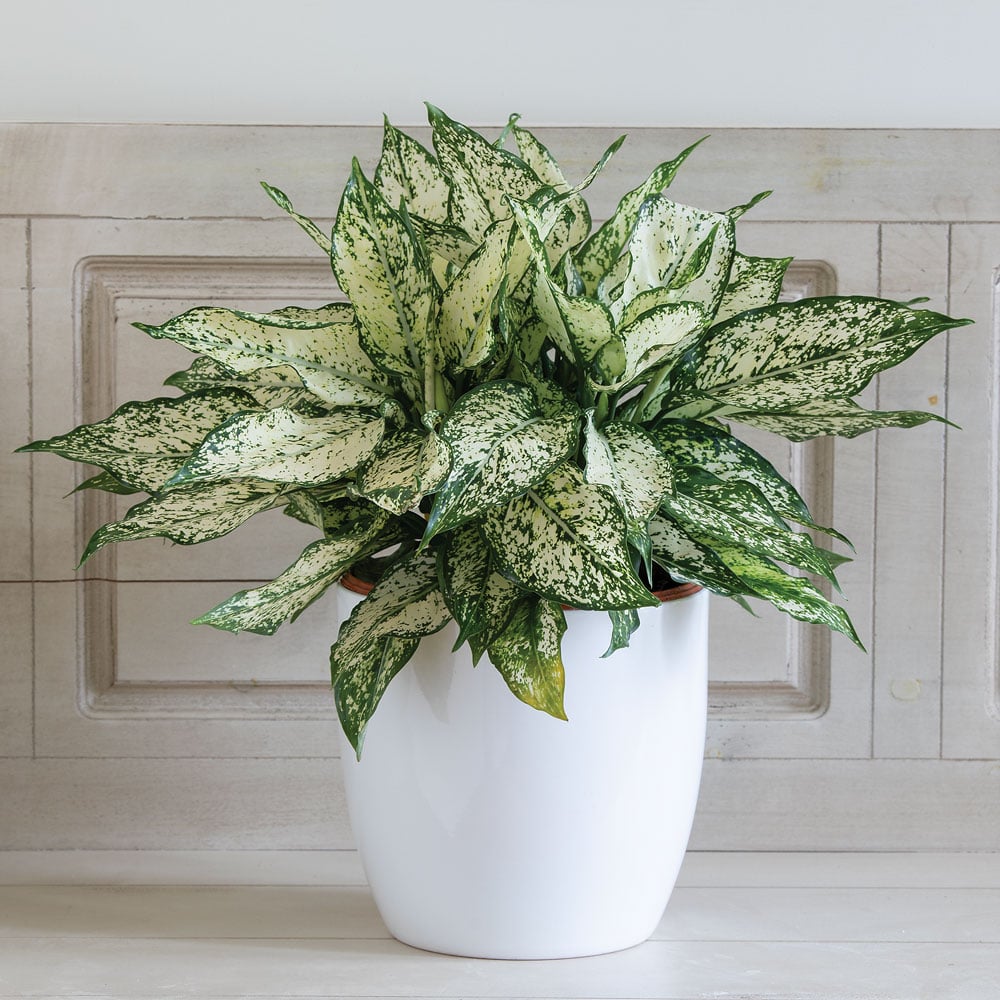
Chinese evergreen, botanically known as Aglaonema commutatum, is native to the tropical regions of Southeast Asia, particularly Indonesia. With leaves that display combinations of green, silver, pink, red, or even cream-colored patterns depending on the variety, it brings stunning color to dark bedrooms where most colorful plants simply fade.
The magic of Chinese evergreen is its ability to maintain vibrant variegation even in quite low light—while varieties with more pink or red coloring need brighter spots to truly pop, the silver and green varieties stay striking in dim corners. The plant grows into a compact, bushy shape without requiring pruning, making it low-effort for spaces where you want color without maintenance.
Chinese evergreens continuously release oxygen during the day and actively purify air by removing ammonia, benzene, and formaldehyde. Mature plants occasionally produce small, pale flowers on a spadix, though they’re not ornamental. Keep this plant away from pets and children, as the leaves contain calcium oxalate crystals that can cause mouth irritation if chewed or ingested.
Pros
- Keeps variegated colors in very low light
- Grows into compact, bushy shape naturally
- One of the most forgiving houseplants
Watch For
- Toxic to cats, dogs, and humans if ingested
- Sensitive to cold below 60°F
- Prefers humidity above 40 percent
#8. Corn Plant — “The False Palm Statement Piece”
| Sunlight | Bright to medium indirect light, tolerates lower light |
| Watering | When top 1-2 inches of soil feel dry, every 7-10 days |
| Pot Size | 10-12 inches for established plants |
| Care Level | Easy |
| Bloom Time | Rarely flowers indoors, fragrant white flowers if it does |
The corn plant, scientifically Dracaena fragrans and native to tropical West Africa, grows like a small tree with a woody cane stem topped by arching, sword-like leaves that resemble corn foliage—hence the common name. The most popular variety is ‘Massangeana’, which features a golden-yellow stripe down the center of deep-green leaves, creating a lush, tropical appearance.
This slow-growing plant is perfectly suited for bedrooms because it doesn’t demand frequent repotting or pruning. Once established in a bright corner, it quietly grows a few feet taller over years, eventually becoming a living focal point that fills a space without requiring active maintenance. The foliage emerges from a central crown of leaves atop a woody stem, creating architectural interest that works in contemporary or tropical-themed bedrooms.
Corn plants are recognized air purifiers that remove formaldehyde and other toxins from indoor environments. Mature plants occasionally produce fragrant, white-yellow flowers, though this is rare indoors. Keep the plant away from pets and children, as it’s toxic if ingested and can cause mouth irritation, drooling, and vomiting in pets.
Pros
- Creates tree-like focal point in large bedrooms
- Grows slowly, requiring minimal repotting
- Attractive striped foliage varieties available
Watch For
- Toxic to cats and dogs if ingested
- Takes significant floor or corner space
- Lower leaves naturally drop as plant matures
#9. Heartleaf Philodendron — “The Cascading Green Vine”
| Sunlight | Medium to bright indirect light, tolerates low light |
| Watering | When top 1-2 inches of soil feel dry, every 7-14 days |
| Pot Size | 6-8 inches for hanging basket placement |
| Care Level | Easy |
| Bloom Time | N/A, grown for glossy heart-shaped leaves |
Heartleaf philodendron, botanically Philodendron hederaceum and native to tropical rainforests of Central and South America, is one of the most beloved beginner houseplants. Its glossy, heart-shaped leaves and trailing vines are instantly recognizable, and the plant’s common name—the Sweetheart Plant—reflects how forgiving and affectionate it is toward neglectful plant parents.
The real magic is how visibly this plant responds to improvement in care. Move it to brighter light and within days, new leaves emerge noticeably larger and more vibrant than the sparse, pale growth it had in dimmer corners. The vines also grow rapidly, making this one of the most rewarding plants if you enjoy watching your plants actually change week to week.
Heartleaf philodendrons actively purify air by removing formaldehyde and other common household toxins. The trailing growth habit makes it perfect for hanging baskets or trained up a moss pole for vertical interest. Keep it away from pets, as the leaves are toxic if chewed and contain calcium oxalate crystals that can cause mouth irritation in cats and dogs.
Pros
- Grows visibly faster with better care
- Works as trailing or climbing plant
- Extremely easy to propagate from cuttings
Watch For
- Toxic to cats and dogs if ingested
- Gets leggy without regular pruning
- More water-needy than snake or ZZ plants
 Save
Save#10. Parlor Palm — “The Victorian-Era Bedroom Classic”
| Sunlight | Low to medium indirect light |
| Watering | Keep soil consistently moist, water when top inch is dry |
| Pot Size | 8-10 inches for mature specimens |
| Care Level | Moderate |
| Bloom Time | N/A, grown for delicate feathery fronds |
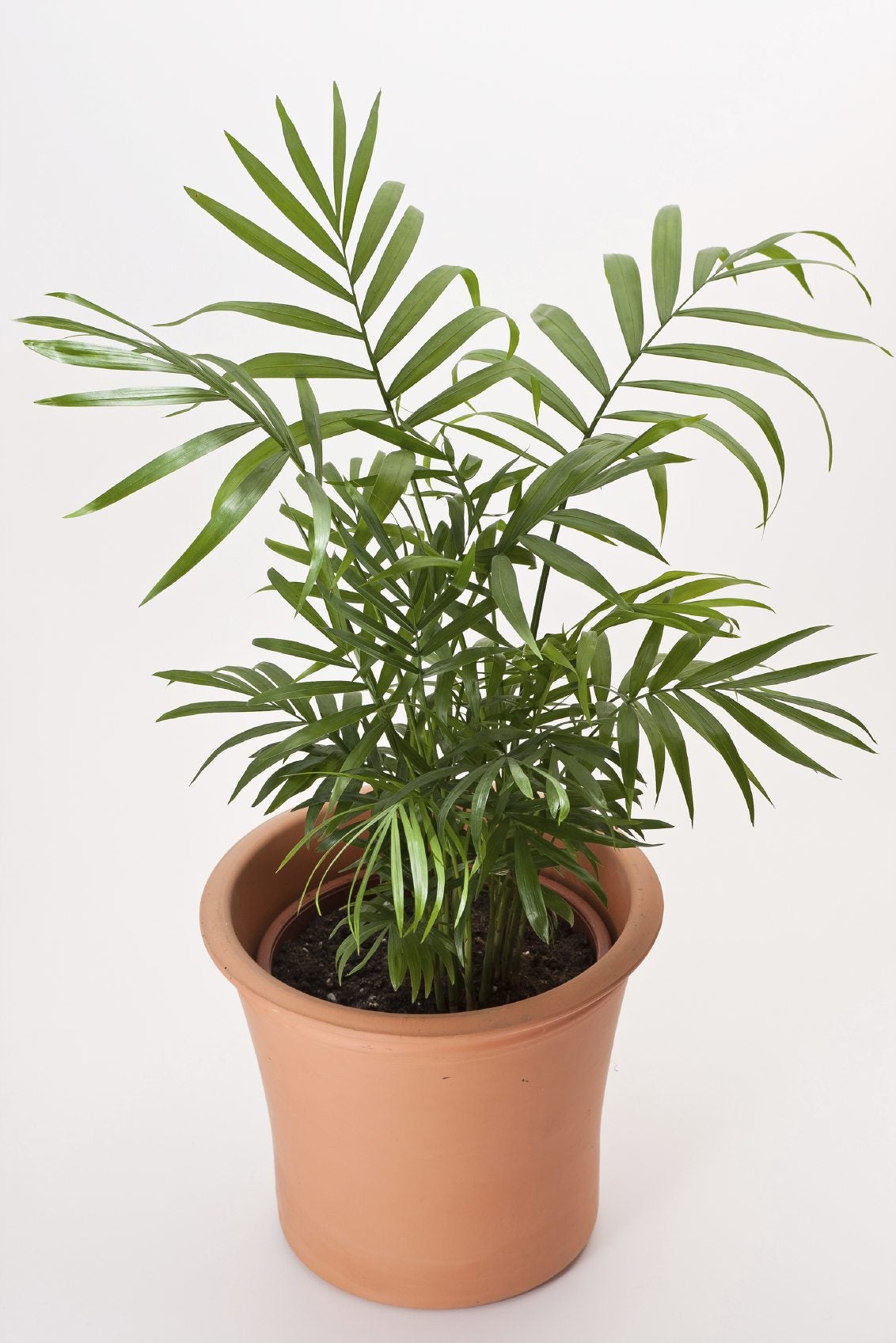
The parlor palm, scientifically Chamaedorea elegans and native to Central America, is one of the few plants that’s been a bedroom favorite for over a hundred years. The Victorians grew it widely because it was one of the only palms that actually tolerated cooler temperatures and low-light conditions common in 19th-century parlors—hence the name.
This dainty palm grows slowly to a height of 3-4 feet indoors, creating a graceful vertical accent that doesn’t demand floor space like larger palms. Its feathery fronds are delicate and elegant, bringing instant sophistication to bedrooms without aggressive tropical drama. The slow growth means repotting is infrequent, and the plant stays compact enough for smaller bedrooms or apartments.
Parlor palms continuously produce oxygen while purifying air of common toxins like formaldehyde and benzene. Unlike most plants on this list, they prefer consistently moist soil rather than drying out between waterings, and they appreciate humidity above 40 percent. The plant is completely non-toxic to cats and dogs, making it one of the safest choices if you have pets sharing your bedroom.
Pros
- Non-toxic to cats and dogs
- Thrives in low light that kills other plants
- Stays compact, doesn’t take over space
Watch For
- Needs consistently moist soil, not drought-tolerant
- Prefers humidity, may develop brown tips if air is dry
- Grows slowly, patience required
How to Choose the Right Oxygen-Producing Plant for Your Bedroom
The best oxygen-producing plant for your bedroom isn’t necessarily the one that filters the most air or produces oxygen the fastest—it’s the one you’ll actually keep alive. Start by being honest about your bedroom’s light situation. If you have north-facing windows or a room with no windows at all, skip the Areca Palm and Aloe and reach for the Snake Plant, Peace Lily, ZZ Plant, or Parlor Palm instead.
Next, consider your watering habits. If you travel frequently or struggle to remember to water, the Snake Plant, ZZ Plant, and Aloe Vera are practically indestructible. If you actually enjoy watering plants and watching them respond, the Pothos, Heartleaf Philodendron, Areca Palm, and Peace Lily reward consistent care with visible growth and lusher foliage. Honest self-assessment here prevents the heartbreak of a dead plant two months from now.
Finally, check the pet situation. If you have cats or dogs sharing your bedroom, the Areca Palm and Parlor Palm are completely safe. The Snake Plant, ZZ Plant, Pothos, Peace Lily, Chinese Evergreen, Corn Plant, and Heartleaf Philodendron are all mildly toxic if chewed, so they need placement out of reach or aren’t suitable if you have young puppies that chew everything. Aloe Vera is fine for pets, though the medicinal gel isn’t dangerous, just not intended for them.
Basic Care Tips for Beginner Plant Parents
The number one reason beginner plant parents kill houseplants is overwatering, and bedroom plants are no exception. Unless you’re growing Areca or Parlor Palms, let the soil dry out between waterings. Test by sticking your finger an inch into the soil—if it feels dry, water. If it feels even slightly moist, wait another day or two. This single habit will save more plants than any other piece of advice.
Light placement matters more than you think. Even if a plant tolerates low light, it will always grow better with some indirect light than in a pitch-black corner. Place your bedroom plants near a window with sheer curtains, on a nightstand with a nearby lamp during evening hours, or rotate them out to brighter spots every few weeks to prevent them from becoming leggy or pale.
Finally, dust the leaves occasionally with a soft cloth or brush. Dust physically blocks the stomata—tiny pores leaves use to breathe and absorb light. Cleaning them off improves oxygen production and overall plant health while making the foliage look glossy and vibrant. This simple five-minute task transforms a dull-looking plant into a showpiece.
Common Mistakes to Avoid
These mistakes account for most of the dead plants beginners deal with:
Watering on a fixed schedule instead of checking the soil first — Your bedroom’s humidity, temperature, season, and pot size all affect how quickly soil dries out. A soil moisture schedule that works in summer will drown your plant in winter. Instead, physically check the soil every time you water—this simple habit prevents 90 percent of root rot.
Placing low-light plants in actual darkness — Even shade-loving plants like Snake Plants and Peace Lilies eventually weaken if placed in corners without any light source. They tolerate low light, but they still need some light. If your bedroom corner has zero natural light, add a simple LED grow light for 6-8 hours daily to keep the plant vigorous.
Using pots without drainage holes — Water has nowhere to escape, creating swampy soil that causes root rot within weeks. Every plant on this list needs a pot with drainage holes. If you love the look of a decorative pot without holes, use it as a cache pot and place a smaller pot with drainage holes inside it.
Fertilizing too much or during the wrong season — Plants grow most actively in spring and summer, and they go semi-dormant in fall and winter. Over-fertilizing causes salt buildup in soil and burned leaf edges. Instead, fertilize at half strength only during spring and summer, every 4-6 weeks, and skip fertilizing entirely in fall and winter.
Moving plants constantly between locations — Plants need time to adjust to new light and temperature conditions. Moving a plant from a bright window to a dark corner every week creates stress that stunts growth and weakens the plant. Find an appropriate spot and let it stay there for at least a few weeks before changing location.
Make Any of These 10 Plants Nearly Impossible to Overwater
A self-watering planter with a built-in water reservoir takes the guesswork out of the number one beginner mistake on this list. These smart pots maintain consistent soil moisture by drawing water from the reservoir only as the soil dries, so you never have to worry about overwatering any of these oxygen-producing plants again.
Frequently Asked Questions
Q: Do bedroom plants actually produce enough oxygen to improve sleep quality?
A: While individual houseplants won’t dramatically increase oxygen levels in a bedroom, certain plants like snake plants and aloe vera actively release oxygen at night through CAM photosynthesis, which can contribute to slightly better air quality. The real benefits come from improved mood, reduced stress, and the psychological comfort of having living plants nearby—all of which genuinely improve sleep quality.
Q: How many plants do I need in my bedroom to see air-purifying benefits?
A: Research suggests 2-4 medium-sized plants per 100 square feet of space is a good baseline for meaningful air quality improvement. However, don’t feel obligated to fill your bedroom with plants if you don’t want to. Even a single plant provides oxygen, improves mood, and creates a calming atmosphere, making the real benefit psychological rather than purely scientific.
Q: Can I keep oxygen-producing plants in a bedroom with no natural light?
A: Yes, with supplemental lighting. Many plants on this list tolerate very low light, but zero natural light requires an LED grow light. Place a simple LED grow light 12-18 inches above the plant and run it for 6-8 hours daily. This provides enough light for plants like snake plants and ZZ plants to survive, though they’ll grow very slowly.
Q: Which oxygen-producing plants are safe for cats and dogs?
A: The Areca Palm and Parlor Palm are completely non-toxic to cats and dogs. If you have pets and still want other plants from this list, place them on high shelves or in hanging baskets out of reach. Snake plants, ZZ plants, pothos, peace lilies, aloe, Chinese evergreens, corn plants, and heartleaf philodendrons are all mildly toxic if chewed.
Q: What’s the best way to propagate oxygen-producing plants?
A: Pothos and heartleaf philodendrons propagate easily from stem cuttings placed in water. Snake plants propagate from leaf cuttings or root division. Areca and parlor palms propagate from offshoots at the base. ZZ plants, peace lilies, and Chinese evergreens propagate through division. Most plants on this list are forgiving of propagation attempts, making it an easy way to multiply your collection.
Q: How often should I repot oxygen-producing bedroom plants?
A: Snake plants and aloe repot every 2-3 years. ZZ plants need repotting every 3-4 years. Faster-growing plants like pothos and peace lilies repot annually in spring. When roots emerge from drainage holes or growth slows noticeably, it’s time to repot. Use fresh potting soil and choose a pot only 1-2 inches larger than the current one.
Final Thoughts
The best oxygen-producing plant for your bedroom isn’t the one with the highest oxygen output or the most impressive air-purifying credentials—it’s the one that thrives in your specific light conditions, matches your watering habits, and fits your space and lifestyle. Start with a snake plant or peace lily if you’re uncertain, and add more plants as your confidence grows. These ten oxygen-producing plants are genuinely some of the most forgiving houseplants available, meaning even if you mess up occasionally, they’ll bounce back and teach you what they need.
Which plant are you adding to your space first? Save this post to Pinterest so you can come back whenever you need fresh plant inspo!

I’m a home decor enthusiast who loves discovering beautiful room ideas, creative DIY projects, and Pinterest-worthy decorating inspiration. At DecorMinty, I share simple tips, fresh trends, and practical ideas to help you create a home you’ll truly love—one room at a time.