10 Best Plants for Bedroom Mold-Prone Spaces
Quick Answer
The best plants for bedroom mold concerns are snake plant, ZZ plant, cast iron plant, baby rubber plant, spider plant, pothos, Chinese evergreen, parlor palm, peace lily, and Boston fern because they suit common bedroom conditions while giving you different options for low light, careful watering, and pet-friendly spaces. However, no houseplant should be treated as a replacement for fixing an indoor mold or moisture problem.
Here’s the short version before you scroll further:
- Snake Plant — Handles dry soil and dim bedroom corners.
- ZZ Plant — Stores water and needs very little attention.
- Cast Iron Plant — Tough, shade tolerant, and pet-friendly.
- Baby Rubber Plant — Compact choice that dislikes soggy soil.
- Spider Plant — Beginner-friendly with easy-to-read watering needs.
- Pothos — Fast-growing trailer for shelves and hanging pots.
- Chinese Evergreen — Handles low light with moderate watering.
- Parlor Palm — Pet-friendly greenery for softer indirect light.
- Peace Lily — Attractive foliage and obvious thirst signals.
- Boston Fern — Lush option for controlled, moderately humid rooms.
The deciding factor isn’t which plant supposedly “eats” the most mold. The U.S. Environmental Protection Agency emphasizes moisture control, while the CDC recommends keeping indoor humidity low; choose your plants only after leaks, condensation, and visible mold are being handled properly.
Our Top Picks at a Glance
Easiest to Care For — Snake Plant
Best for Low Light — ZZ Plant
Most Beautiful Bloom — Peace Lily
Best for Beginners — Spider Plant


10 Best Plants for a Mold-Conscious Bedroom
 Save
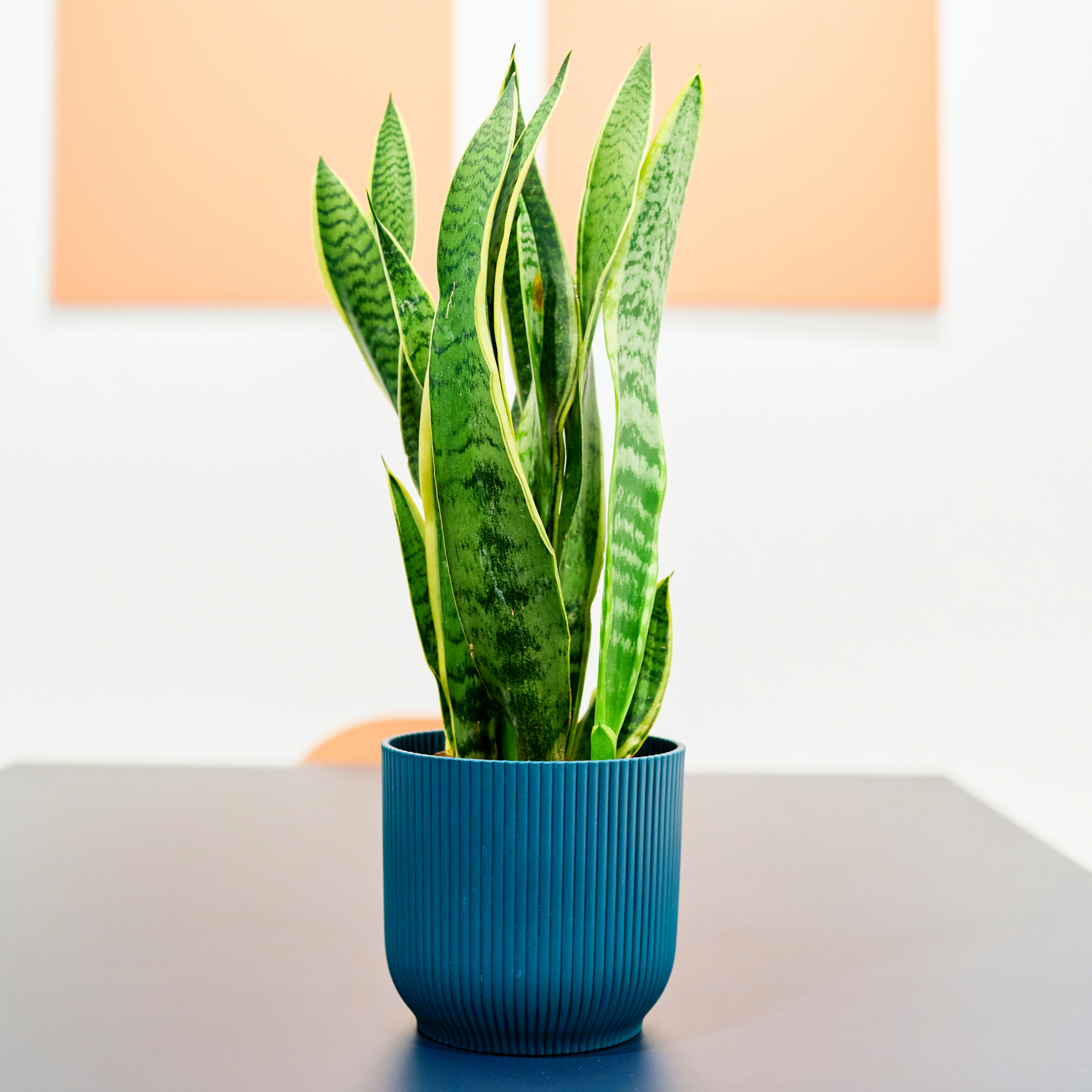
Save#1. Snake Plant — “The Dry-Soil Champion”
| Sunlight | Bright indirect light is ideal, but low light is tolerated |
| Watering | Let the potting mix dry well between thorough waterings |
| Pot Size | Keep fairly snug; move up only 1–2 inches when root-bound |
| Care Level | Easy |
Snake plant, now commonly classified as Dracaena trifasciata, grows from sturdy underground rhizomes and develops thick, upright leaves. Those leaves store moisture, which helps explain why the plant handles missed waterings so well.
That dry-soil preference is useful in a mold-conscious bedroom. You aren’t maintaining constantly damp compost beside the bed, and the plant is forgiving when the room receives less light.
Remove damaged leaves at the base and divide overcrowded rhizomes when needed. Keep the foliage away from pets or small children that may chew plants.
Pros
- Can dry significantly between waterings
- Tolerates dimmer bedroom locations
- Upright shape uses little floor space
Watch For
- Root rot in constantly wet compost
- Cold drafts near winter windows
- Not a good chewing plant for pets
#2. ZZ Plant — “The Forget-Me-and-I’m-Fine Plant”
| Sunlight | Low to bright indirect light |
| Watering | Water after the potting medium has dried; often only 1–2 times monthly |
| Pot Size | One size larger only when clearly root-bound |
| Care Level | Easy |
Zamioculcas zamiifolia stores water in fleshy underground rhizomes. This gives its glossy stems an impressive ability to survive dry periods that would stress thirstier houseplants.
That makes ZZ especially practical if you’re trying not to add unnecessary wet soil to a bedroom. Bright indirect light produces better growth, but it can cope with considerably less.
Remove yellow or damaged stems at soil level. Leaflets can also be propagated, although new ZZ plants develop slowly.
Pros
- Very drought tolerant
- Handles low-light bedrooms
- Slow growth keeps maintenance low
Watch For
- Yellowing from excessive water
- Rhizome rot in soggy compost
- Toxic if chewed by pets
#3. Cast Iron Plant — “The Shady-Room Survivor”
| Sunlight | Low or filtered light; avoid strong direct sun |
| Watering | Water regularly in active growth, then more sparingly in winter |
| Pot Size | Usually suits an 8–12 inch container for long-term indoor growth |
| Care Level | Easy |
Aspidistra elatior earned its cast iron nickname from its ability to tolerate indoor conditions that trouble fussier plants. Its broad leaves rise directly from underground rhizomes.
Low light is rarely a deal-breaker, making it handy for bedrooms where the dresser or plant stand sits well away from a sunny window. Well-drained soil is still important.
Repot infrequently because this plant doesn’t appreciate constant disturbance. It’s also widely regarded as a pet-friendly houseplant choice.
Pros
- Excellent shade tolerance
- Doesn’t demand frequent repotting
- Pet-friendly option
Watch For
- Soggy compost around rhizomes
- Bleached leaves in harsh sun
- Slow growth if you want quick impact
#4. Baby Rubber Plant — “The Compact Dry-Side Pick”
| Sunlight | Bright indirect light; green forms tolerate lower light |
| Watering | Let soil dry moderately before watering again |
| Pot Size | Keep in a relatively small pot; increase one size when necessary |
| Care Level | Easy |
Baby rubber plant, Peperomia obtusifolia, belongs to the pepper family rather than the true rubber-plant group. Its fleshy leaves and relatively small root system mean excessive watering is a bigger risk than occasional dryness.
That behavior works well for a moisture-conscious bedroom. Give it a bright position without harsh direct sun and check the potting mix before reaching for the watering can.
Stem cuttings root readily, so trimming a leggy plant can also give you new plants. A small indoor pot with drainage is a better fit than an oversized decorative container that stays wet for days.
Pros
- Compact enough for furniture
- Prefers the soil on the drier side
- Pet-friendly choice
Watch For
- Stem and root rot when overwatered
- Scorch from intense direct sun
- Oversized pots staying wet too long
 Save
Save#5. Spider Plant — “The Beginner’s Safety Net”
| Sunlight | Medium to bright indirect light |
| Watering | Allow the soil surface to dry slightly between thorough waterings |
| Pot Size | Likes being slightly pot-bound; move up one size when crowded |
| Care Level | Easy |
Chlorophytum comosum is native to parts of southern and tropical Africa and grows thick, fleshy roots that store moisture. Mature plants send out arching stems carrying small plantlets.
Those storage roots make spider plants more forgiving than their delicate leaves suggest. Letting the surface dry slightly helps keep the root zone from remaining constantly saturated.
Plantlets can be rooted to make new plants. For a small room, a hanging planter with drainage keeps the cascading foliage off crowded furniture.
Pros
- Easy for first-time plant owners
- Pet-friendly
- Plantlets make propagation simple
Watch For
- Root rot from poor drainage
- Brown tips from salts or water quality
- Harsh midday sun scorching leaves
#6. Pothos — “The Easygoing Trailer”
| Sunlight | Bright indirect light; tolerates some shade |
| Watering | Wait until the surface or top inch of compost feels dry |
| Pot Size | Move to a container only 1–2 inches wider when root-bound |
| Care Level | Easy |
Epipremnum aureum is a climbing and trailing member of the Araceae family. Indoors, its vines can spill from a shelf or climb a support without taking over floor space.
Pothos adapts to lower light, although brighter indirect light generally produces stronger growth. Letting the top layer dry before watering is especially useful when you’re trying to avoid constantly damp potting mix.
Trim vines just above a node to control length, then root the cuttings if you want another plant. Keep pothos out of reach of pets and young children because chewing its tissues can cause irritation.
Pros
- Fast visible growth
- Easy to propagate from cuttings
- Fits shelves and hanging displays
Watch For
- Root problems from excessive water
- Long sparse vines in very poor light
- Toxic if chewed by pets
#7. Chinese Evergreen — “The Low-Light Color Boost”
| Sunlight | Low to moderate indirect light |
| Watering | Allow the top 1–2 inches to dry before watering again |
| Pot Size | Repot one size larger when roots fill the container |
| Care Level | Easy |
Aglaonema species are tropical foliage plants known for patterned leaves and strong tolerance of low to moderate indirect light. Modern cultivars range from deep green to silver, cream, pink, and red.
Unlike a fern, Chinese evergreen doesn’t require permanently wet compost. Check the upper layer first, then water thoroughly and let excess water escape.
Remove yellow leaves at their base and keep the plant warm, away from cold drafts. Aglaonema contains irritating calcium oxalate crystals, so it belongs out of reach of chewing pets.
Pros
- Good tolerance of subdued light
- Colorful foliage without flowers
- Moderate watering needs
Watch For
- Root rot from overwatering
- Cold-temperature damage
- Toxic to cats and dogs
#8. Parlor Palm — “The Pet-Friendly Palm”
| Sunlight | Moderate to low indirect light; avoid strong direct sun |
| Watering | Keep lightly moist but never waterlogged; reduce watering in winter |
| Pot Size | Repot infrequently and move up only one container size |
| Care Level | Moderate |
Chamaedorea elegans is a slow-growing palm from the Arecaceae family. Its fine, arching fronds create a softer look than the upright leaves of snake plant or ZZ.
Parlor palms cope with lower light surprisingly well. They prefer more consistent moisture than the first plants on this list, though the pot should still drain freely.
Remove completely brown fronds at the base instead of repeatedly trimming green ones. The plant is considered non-toxic to cats and dogs, which makes it attractive for pet households.
Pros
- Pet-friendly
- Handles lower indoor light
- Slow growth limits repotting
Watch For
- Brown tips if allowed to become bone-dry
- Root stress in standing water
- Dry heating vents nearby
#9. Peace Lily — “The Visible Thirst Signal”
| Sunlight | Bright indirect light; tolerates lower light |
| Watering | Keep moist but not soggy, allowing slight drying between waterings |
| Pot Size | Repot one size larger once the plant becomes crowded |
| Care Level | Moderate |
Peace lilies belong to the genus Spathiphyllum in the Araceae family. Their familiar white display is a specialized spathe surrounding the central flower spike.
The leaves often droop noticeably when the root zone becomes too dry, which gives you a useful visual cue. Still, this plant wants more moisture than snake plant or ZZ, so drainage matters in a mold-conscious room.
Divide crowded plants during repotting and remove spent flower stalks near the base. Peace lilies contain calcium oxalate crystals and should be kept away from pets that chew foliage.
Pros
- Distinctive white spathes
- Useful drooping thirst signal
- Handles softer indoor light
Watch For
- Requires more consistent moisture
- Never leave standing in water
- Toxic to cats and dogs
 Save
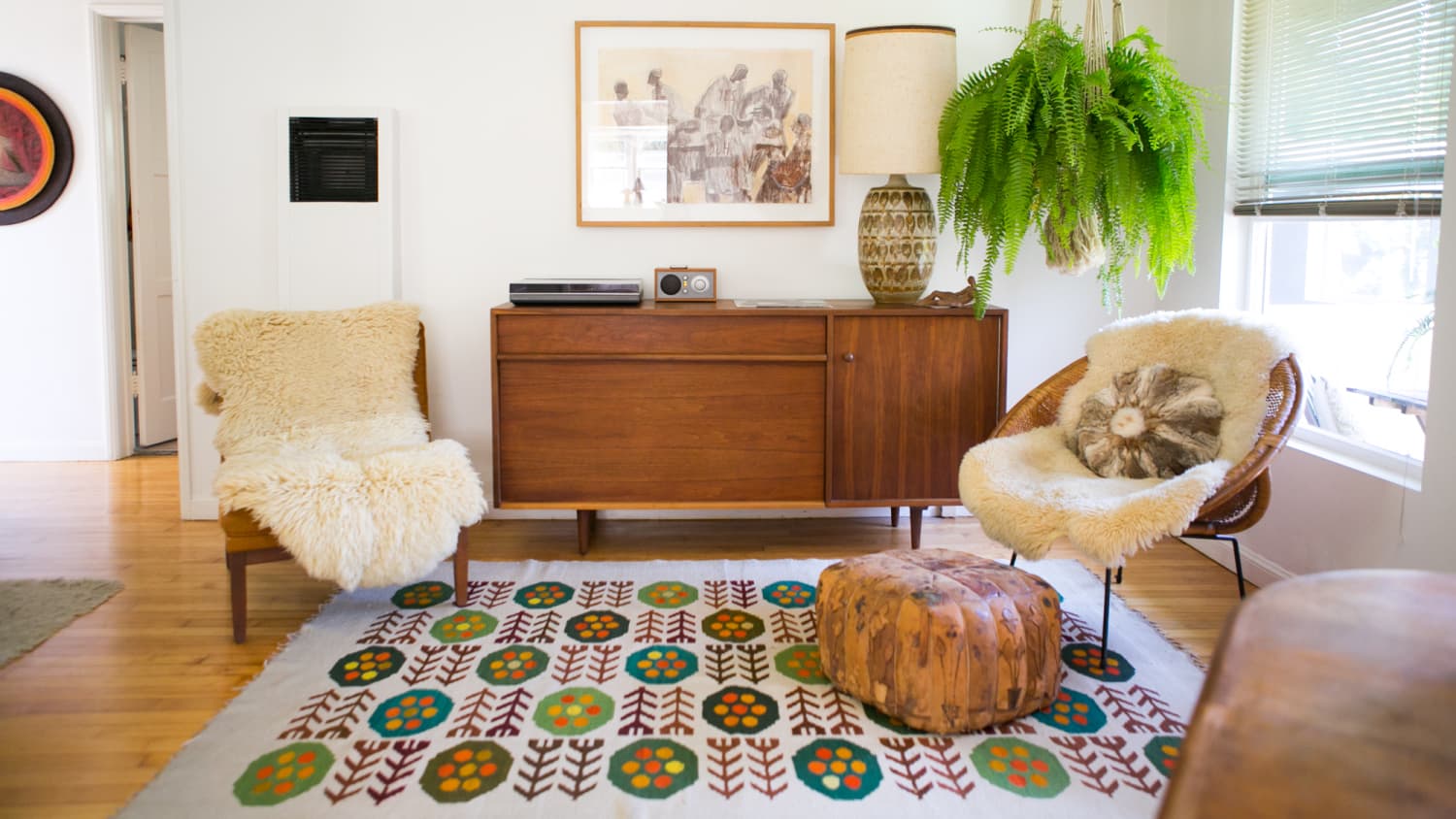
Save#10. Boston Fern — “The Humidity Lover”
| Sunlight | Medium to bright indirect light |
| Watering | Keep evenly moist but never permanently saturated |
| Pot Size | Move up one size after the root system fills its container |
| Care Level | Moderate |
Nephrolepis exaltata produces arching fronds from an underground rhizome and is often grown in hanging baskets. It can be propagated by division and runners.
Boston fern likes more humidity and soil moisture than most plants above. For that reason, it’s best only when your bedroom humidity is already controlled rather than in a room with active condensation or unresolved mold.
Remove dead fronds at the base and don’t interpret “evenly moist” as soaking wet. Boston fern is also commonly listed as non-toxic to cats and dogs.
Pros
- Lush cascading texture
- Pet-friendly
- Works well in hanging baskets
Watch For
- Needs more humidity than dry-tolerant picks
- Fronds brown when conditions are too dry
- Poor choice beside active condensation
How to Choose the Right Plant for Your Space
Start with your bedroom conditions, not a claim that one species can remove mold from the room.
- Choose dry-tolerant plants for moisture-conscious rooms — Snake plant, ZZ, cast iron plant, and peperomia let more of the potting mix dry before you water again. If easy care matters too, compare more low-maintenance bedroom plants.
- Match the plant to your real light level — A bedroom several feet from a window isn’t the same as a bright windowsill. Our guide to bedroom plants for low light can help you narrow the options.
- Think about pets before buying — Spider plant, cast iron plant, baby rubber plant, parlor palm, and Boston fern give pet households several options, while pothos, ZZ, Chinese evergreen, and peace lily require more caution.
- Treat visible mold as a building problem first — The EPA explains that mold grows when spores reach wet surfaces. Fix leaks, condensation, or excess humidity instead of adding plants and hoping they solve the cause.
If you’re decorating from scratch, this broader guide to the best plants for a bedroom gives you more choices based on light, maintenance, and style.
Common Mistakes to Avoid
Most plant-related moisture problems come from how the plant is cared for, not the species name on the label.
Watering on a fixed calendar — Soil dries at different speeds depending on light, temperature, pot size, and season. Check the mix first instead of automatically adding water every Sunday.
Leaving water inside decorative cachepots — Roots sitting in drainage water lose access to oxygen and become vulnerable to rot. Empty the outer pot after watering.
Misting plants in an already damp bedroom — Boston fern may appreciate humidity, but adding moisture to a room with condensation is the wrong trade-off. Control the room first.
Using an oversized pot for a small root system — Extra potting mix holds extra water. This is particularly risky with peperomia, ZZ, and snake plant.
Assuming “air-purifying” means mold-removing — A plant may be attractive and healthy in your bedroom without being a practical mold-remediation device. Keep the two goals separate.
What You’ll Need
A few simple tools make it much easier to keep bedroom plants healthy without keeping their surroundings unnecessarily damp.
Shows whether bedroom humidity is staying in a range that encourages moisture problems.
Helps excess water leave the root zone instead of keeping it saturated.
Useful as a second check when you’re learning how quickly different pots dry.
Signs Your Plant Needs Attention
Watch the plant and the potting mix together. Small clues often appear before the whole plant declines.
- Yellow leaves plus wet soil — Often points toward excessive watering or poor drainage, especially in ZZ, snake plant, pothos, and Chinese evergreen.
- A persistent musty smell from the pot — Check for stagnant water, decomposing roots, and consistently wet organic material instead of simply adding another watering.
- White growth on the soil surface — Surface fungi can appear where organic potting mix remains damp. Improve watering habits and airflow, and remove persistently affected surface material.
- Brown crispy edges — This can point in the opposite direction. Spider plant, parlor palm, and Boston fern may be too dry, exposed to salts, or sitting near heating or cooling vents.
- Condensation around the bedroom — That’s a room-level moisture warning rather than a plant-care symptom. Deal with ventilation and humidity before adding more moisture-loving plants.
For more general placement and room-condition ideas, see our guide to plants for bedroom air and realistic indoor conditions.
Stop Guessing About Bedroom Humidity
If condensation or dampness is already on your radar, a simple digital hygrometer gives you an actual humidity reading instead of relying on how the room feels. It won’t fix mold, but it can tell you when moisture control needs attention.
Frequently Asked Questions
Q: Can plants remove mold spores from bedroom air?
A: Don’t rely on houseplants for mold remediation. If mold is visible or repeatedly returning, address the moisture source, clean or remediate affected material, and control indoor humidity.
Q: What is the best plant for a mold-prone bedroom?
A: Snake plant and ZZ plant are strong starting points because both tolerate indoor light and can dry substantially between waterings. That makes them easier to manage without maintaining continuously damp soil.
Q: Can houseplant soil grow mold?
A: Yes. Organic potting material that remains damp can support fungal growth, especially when airflow is poor. Correct the watering or drainage problem instead of only scraping away the visible growth.
Q: Does a peace lily remove mold from the air?
A: A peace lily should be chosen as an attractive indoor plant, not as a mold treatment. It also prefers consistently moist soil, so careful drainage and watering are particularly important in a damp bedroom.
Q: Can too many plants make bedroom humidity worse?
A: Plants release water vapor and moist potting mixes add another moisture source, although the effect varies with plant size, watering, ventilation, and room conditions. In an already humid room, prioritize humidity control over creating a dense indoor jungle.
Q: What humidity level is better for preventing bedroom mold?
A: A practical target is roughly 30–50% relative humidity. Persistent condensation, damp surfaces, or readings above that range are signs to improve ventilation, dehumidification, or moisture control.
Final Thoughts
The best plants for bedroom mold concerns are the ones that fit your actual light, watering habits, pets, and available space without creating another constantly wet corner. Snake plant, ZZ, cast iron plant, and peperomia are especially practical when you want simpler moisture management.
Most importantly, treat the plant as decor and living greenery, not mold-removal equipment. Fix excess moisture first, then enjoy the plant that fits your bedroom best.
Which plant are you adding to your space first? Save this post to Pinterest so you can come back whenever you need fresh plant inspo!

I’m a home decor enthusiast who loves discovering beautiful room ideas, creative DIY projects, and Pinterest-worthy decorating inspiration. At DecorMinty, I share simple tips, fresh trends, and practical ideas to help you create a home you’ll truly love—one room at a time.