12 Best Pet Safe Plants for Bedroom: Easy, Stylish Picks for Cat & Dog Homes
Quick Answer
The best pet safe plants for bedroom spaces include baby rubber plant, cast iron plant, moth orchid, parlor palm, spider plant, rattlesnake plant, Boston fern, African violet, Orange Star bromeliad, Christmas cactus, nerve plant, and ponytail palm because each has a pet-friendly option confirmed as non-toxic to cats and dogs and can grow indoors when matched to the right light and moisture level.
Here’s the short version before you scroll further:
- Baby Rubber Plant — Compact, glossy, and forgiving about watering.
- Cast Iron Plant — Handles dim bedroom corners unusually well.
- Moth Orchid — Long-lasting flowers without a large footprint.
- Parlor Palm — Slow-growing greenery for indirect or lower light.
- Spider Plant — Cascades beautifully from shelves and baskets.
- Rattlesnake Plant — Dramatic patterned leaves, but humidity matters.
- Boston Fern — Soft texture for naturally humid bedrooms.
- African Violet — Small plant with repeat indoor blooms.
- Orange Star Bromeliad — Bold color with an unusual watering method.
- Christmas Cactus — Seasonal flowers from a long-lived plant.
- Nerve Plant — Tiny, colorful choice for bedside tables.
- Ponytail Palm — Loves sunshine and tolerates forgotten waterings.
Choose by your bedroom’s actual light, humidity, available space, and your watering habits. Pet-safe does not mean edible, so plants are still best kept away from pets that constantly chew foliage.
Our Top Picks at a Glance
Easiest to Care For — Baby Rubber Plant
Best for Low Light — Cast Iron Plant
Most Beautiful Bloom — Moth Orchid
Best for Beginners — Parlor Palm


12 Pet-Safe Bedroom Plants for Different Light and Care Needs
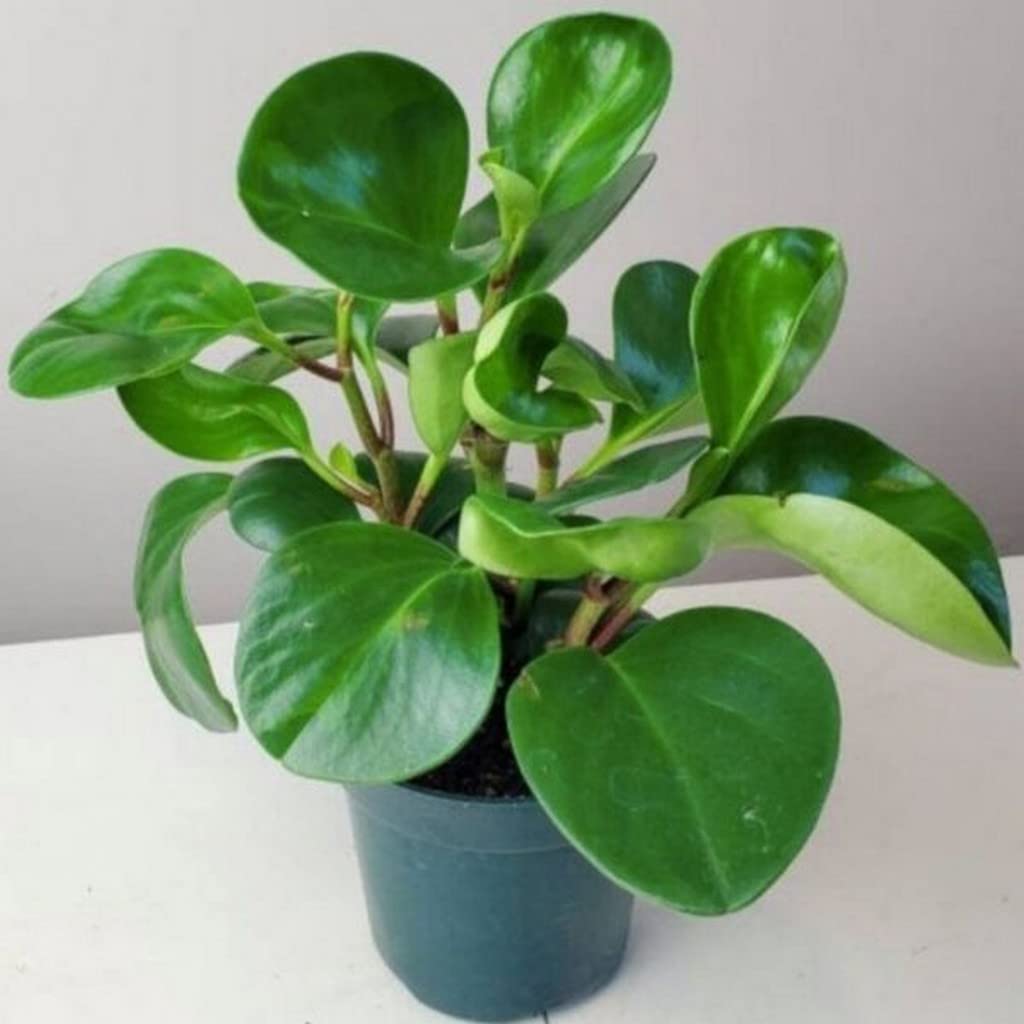
#1. Baby Rubber Plant (Peperomia obtusifolia) — “The Easygoing Compact”
| Sunlight | Bright indirect light; green forms tolerate lower light |
| Watering | Let the upper soil dry before watering again |
| Pot Size | Small, snug container with good drainage |
| Care Level | Easy |
Peperomia obtusifolia is a compact member of the pepper family, Piperaceae, native to tropical parts of the Americas. Its thick, glossy leaves help it hold moisture better than many thin-leaved houseplants.
The fleshy leaves are useful clues. Yellowing and persistently wet soil usually mean you are watering too often.
Pinch back stretched stems to keep it full and rotate the pot occasionally for even growth. Avoid harsh direct sun, which can scorch the foliage.
Pros
- Fits small surfaces easily
- Fleshy leaves tolerate short dry spells
- Slow growth limits frequent repotting
Watch For
- Root rot in constantly damp soil
- Leaf scorch from direct afternoon sun
- Drafty positions near vents
#2. Cast Iron Plant (Aspidistra elatior) — “The Dim-Corner Survivor”
| Sunlight | Partial shade to very low indirect light; avoid direct sun |
| Watering | Water regularly in active growth, sparingly in winter |
| Pot Size | Container sized closely around the rhizome and roots |
| Care Level | Easy |
Aspidistra elatior is an evergreen rhizomatous plant from East Asia with upright leaves that can reach around two feet. Its ability to cope with shade and neglect explains the memorable cast iron name.
It prefers rich, well-drained soil but tolerates occasional dryness. Strong direct sunlight is a bigger problem than a slightly dim room.
Remove damaged leaves at the base and wipe broad leaves occasionally so dust does not build up. Give it space to spread slowly through its underground rhizomes.
Pros
- Exceptional shade tolerance
- Handles occasional dry soil
- Strong architectural foliage
Watch For
- Leaf bleaching in direct sun
- Slow growth in very dim rooms
- Wet soil during cool months
#3. Moth Orchid (Phalaenopsis) — “The Bedroom Bloomer”
| Sunlight | Low to bright indirect light, ideally near an east or west window |
| Watering | Water after the airy potting medium has dried slightly |
| Pot Size | Snug, ventilated orchid pot fitted to the root mass |
| Care Level | Moderate |
| Bloom Time | Typically flowers about once yearly, depending on hybrid |
Phalaenopsis orchids are tropical epiphytes that naturally grow attached to trees rather than buried in dense soil. That is why their roots need excellent airflow and a loose medium.
Use an airy orchid bark potting mix instead of ordinary heavy houseplant soil. Let the medium dry slightly before soaking it again.
Repot when the growing medium breaks down or the root mass outgrows its container. Avoid leaving water trapped around the crown where the leaves meet.
Pros
- Long-lasting flower displays
- Small footprint on furniture
- Adapts well to normal home temperatures
Watch For
- Dense soil suffocating roots
- Water sitting around the crown
- Too little light for reblooming
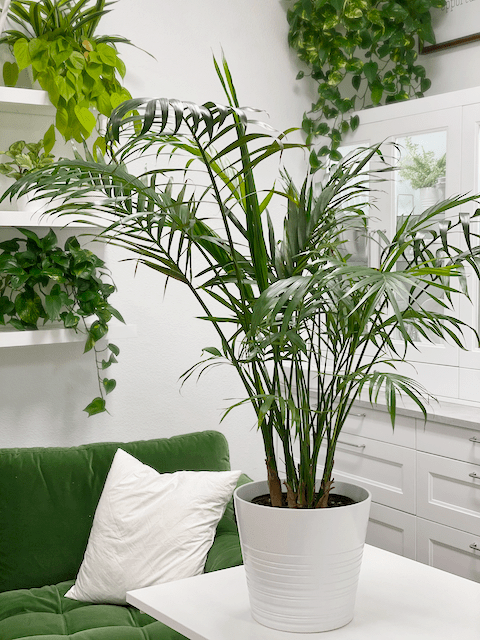
#4. Parlor Palm (Chamaedorea elegans) — “The Quiet Classic”
| Sunlight | Bright indirect light, with good tolerance for lower light |
| Watering | Let soil dry slightly between waterings |
| Pot Size | Well-drained container; repot only when necessary |
| Care Level | Easy |
Chamaedorea elegans is an understory palm native to southern Mexico and northern Central America. Its slow growth and tolerance of interior conditions helped make it a classic indoor palm.
It grows best with indirect light and soil that is neither constantly wet nor bone dry. A north- or east-facing bedroom window is often a practical location.
Repot only when needed rather than automatically moving it into a huge container. Keep it away from cold drafts and heating vents.
Pros
- Tolerates interior light well
- Slow growth reduces maintenance
- Adds height without broad leaves
Watch For
- Root problems from overwatering
- Spider mites in very dry air
- Cold drafts near windows
#5. Spider Plant (Chlorophytum comosum) — “The Cascading Multitasker”
| Sunlight | Medium indirect light; tolerates substantial shade |
| Watering | Keep moderately moist during growth, less in winter |
| Pot Size | Standard pot or hanging basket with drainage |
| Care Level | Easy |
Chlorophytum comosum is an adaptable perennial in the asparagus family with long arching leaves. Mature plants produce stolons carrying small plantlets that create its familiar cascading look.
It prefers medium light but handles shade better than many colorful houseplants. Brown tips may appear when the plant reacts to water quality, dry air, or excess fertilizer.
Trim damaged tips for appearance and propagate healthy plantlets once they develop roots. Hanging the plant also keeps the long stems from crowding a bedside surface.
Pros
- Produces easy-to-propagate plantlets
- Adapts to varied indoor light
- Excellent hanging habit
Watch For
- Brown leaf tips
- Direct sunlight scorching foliage
- Overfertilizing that reduces plantlets
#6. Rattlesnake Plant (Goeppertia insignis) — “The Patterned Performer”
| Sunlight | Limited sun to bright shade; no harsh full sun |
| Watering | Keep evenly moist, not wet; reduce watering in winter |
| Pot Size | Medium container with well-drained, peaty mix |
| Care Level | Moderate |
Goeppertia insignis, formerly known as Calathea insignis or Calathea lancifolia, comes from southeastern Brazilian rainforest habitat. Its long leaves have dark markings above and purple undersides.
The foliage folds upward during the evening and reopens after sunrise. Consistent moisture and higher humidity are more important here than with a cast iron plant or peperomia.
Keep it away from heating vents, cold drafts, and sudden temperature swings. Brown curling edges often point toward air that is too dry.
Pros
- Distinctive patterned foliage
- Tolerates shaded indoor positions
- Interesting nightly leaf movement
Watch For
- Crispy edges in dry air
- Root rot from soggy mix
- Stress from sudden temperature changes
#7. Boston Fern (Nephrolepis exaltata) — “The Humidity Lover”
| Sunlight | Bright indirect light; some cultivars tolerate lower light |
| Watering | Keep soil moist; do not let the root ball completely dry |
| Pot Size | Pot or hanging basket with reliable drainage |
| Care Level | Moderate |
Nephrolepis exaltata is a tropical and subtropical fern with long arching fronds that can create a full, soft silhouette. Unlike flowering houseplants, it reproduces through spores.
Boston fern prefers moist soil and higher humidity. Dry air commonly leads to crispy fronds and can encourage spider mite problems.
Trim completely brown fronds near the base and reduce watering somewhat during winter. Keep the plant away from strong heat blowing from a vent.
Pros
- Full cascading foliage
- Works beautifully in baskets
- Enjoys naturally humid rooms
Watch For
- Crispy fronds from dry air
- Root rot in waterlogged soil
- Spider mites under dry conditions
 Save
Save#8. African Violet (Streptocarpus ionanthus) — “The Tiny Repeat Bloomer”
| Sunlight | Bright filtered light |
| Watering | Keep mix moist but never soggy |
| Pot Size | Pot diameter no more than about one-third the leaf span |
| Care Level | Moderate |
| Soil pH | About 6.2 to 6.5 |
| Bloom Time | Can bloom several times per year with good care |
African violets come from eastern Africa and belong to the Gesneriaceae family. Their compact rosette shape makes them especially practical where a large floor plant will not fit.
Bright filtered light supports repeat flowering. Keep the fine-rooted potting mix moist without allowing the plant to sit in water.
Remove spent flowers and dead leaves as they appear. Repot in fresh, airy mix about yearly rather than placing the plant in an oversized container.
Pros
- Repeat flowering potential
- Compact tabletop size
- Many flower colors available
Watch For
- Root rot from soggy mix
- Leaf spotting from water left on foliage
- Weak flowering in insufficient light
#9. Orange Star Bromeliad (Guzmania lingulata) — “The Color Statement”
| Sunlight | Part shade or bright filtered light |
| Watering | Keep fresh water in the central cup; water roots sparingly |
| Pot Size | Small, stable pot with airy bromeliad or orchid mix |
| Care Level | Moderate |
Guzmania bromeliads are tropical epiphytes in the pineapple family. Their overlapping leaves form a central cup that naturally collects water.
Keep that central reservoir refreshed and use a loose bark-based medium around the roots. The colorful display comes largely from long-lasting bracts surrounding much smaller flowers.
After flowering, the original rosette gradually declines while offsets appear around its base. Those pups can eventually be separated and grown into new plants.
Pros
- Long-lasting central color
- Compact upright form
- Produces replacement offsets
Watch For
- Old water sitting in the central cup
- Dense, poorly aerated soil
- Natural decline after flowering
#10. Christmas Cactus (Schlumbergera) — “The Long-Lived Favorite”
| Sunlight | Bright filtered or indirect light |
| Watering | Water when the top inch dries; reduce after flowering |
| Pot Size | Slightly snug pot with excellent drainage |
| Care Level | Easy |
| Bloom Time | Late fall into winter, depending on type and conditions |
Schlumbergera comes from humid forests of southeastern Brazil rather than an arid desert. It is an epiphytic cactus, which explains its preference for filtered light and more moisture than a typical desert cactus.
Shorter days and cooler nights help initiate flower buds. Once buds form, sudden changes in light, temperature, or drafts can trigger bud drop.
Let excess water drain freely and avoid keeping the potting mix saturated. Healthy plants can live for decades and may eventually be passed from one household generation to another.
Pros
- Long potential lifespan
- Colorful seasonal flowers
- Does not need strong direct sun
Watch For
- Root rot in heavy wet mix
- Bud drop after environmental changes
- Sunburn from excessive direct light
#11. Nerve Plant (Fittonia albivenis) — “The Tiny Drama Queen”
| Sunlight | Medium to bright indirect light |
| Watering | Often around twice weekly; dramatic wilting signals dryness |
| Pot Size | Small, shallow pot because roots stay shallow |
| Care Level | Moderate |
Fittonia albivenis is a low-growing rainforest plant from South America. Its green leaves may carry white, pink, or red veins, adding color without needing flowers.
Fittonia is famous for wilting dramatically when it becomes too dry and often recovering after watering. Repeated severe drying is still stressful, so do not rely on the wilt as your normal reminder.
Pinch growing tips to encourage a fuller shape. Keep it away from direct sun, dry drafts, and either extreme of bone-dry or waterlogged soil.
Pros
- Very compact growth
- Strong foliage color
- Clear visual thirst signal
Watch For
- Fast wilting when too dry
- Root rot from overwatering
- Leaf damage from direct sunlight

#12. Ponytail Palm (Beaucarnea recurvata) — “The Forgetful Waterer’s Friend”
| Sunlight | Bright light or a sunny window |
| Watering | Water deeply, then allow soil to dry; much less in winter |
| Pot Size | Sturdy, free-draining pot fitted close to the root ball |
| Care Level | Easy |
Beaucarnea recurvata is not a true palm. It is an asparagus-family plant from Mexico with a swollen trunk, called a caudex, that stores water.
That water reserve explains why it handles dry indoor conditions and missed waterings so well. Give it a sunny window and a fast-draining cactus or succulent-style mix.
Water thoroughly in warm active growth, then allow the soil to dry before repeating. Winter watering should be considerably lighter.
Pros
- Excellent drought tolerance
- Handles heated indoor air
- Slow-growing sculptural form
Watch For
- Poor growth in dark bedrooms
- Stem or root rot from excess water
- Eventually outgrowing tiny spaces
Basic Care Tips for Beginners
Start by matching the plant to your bedroom rather than choosing only by appearance. A plant labeled low-light still needs enough light to photosynthesize.
- Check pet safety by botanical name — Common names can refer to different plants. The ASPCA pet-friendly plant guidance is a useful starting point, and the University of Minnesota also provides guidance on houseplants around pets.
- Judge your real bedroom light — A room may look bright to you while still being too dim for a flowering plant. Review the University of Minnesota’s indoor plant lighting guidance if you are unsure.
- Water by the plant, not the calendar — Peperomia and ponytail palm want drying time, while Boston fern and rattlesnake plant prefer steadier moisture.
- Use drainage every time — Decorative pots are fine, but excess water still needs a route out of the root zone.
Signs Your Plant Needs Attention
Plants often show trouble before permanent damage happens. Learn the patterns instead of reacting to every single old leaf.
- Yellow leaves with wet soil — Check for overwatering, especially on peperomia, parlor palm, ponytail palm, and Christmas cactus.
- Brown crispy edges — Dry air is a common trigger for rattlesnake plant, Boston fern, and nerve plant.
- Long weak growth — The plant may be reaching for stronger light and should move closer to a suitable window.
- Few or no flowers — African violets, moth orchids, and Christmas cacti need appropriate light and other bloom-specific conditions.
Common Mistakes to Avoid
These mistakes cause many of the problems bedroom plant owners see.
Treating low light as no light — Cast iron plants tolerate shade, but no houseplant can grow indefinitely without usable light. Extremely dark bedrooms may need supplemental lighting.
Watering every plant on the same schedule — Boston fern prefers consistent moisture while ponytail palm needs drying time. One weekly routine can leave one plant thirsty and another waterlogged.
Using oversized pots — Too much unused potting mix stays wet longer. This increases root-rot risk for plants such as African violet, peperomia, orchid, and Christmas cactus.
Ignoring dry bedroom air — Heating and air-conditioning can lower humidity enough to brown Boston fern and rattlesnake plant foliage even when their soil is adequately moist.
Assuming non-toxic means your pet should eat it — Non-toxic plants are safer choices, but chewing large amounts of plant material can still upset a cat’s or dog’s digestive system.
What You’ll Need
A few simple supplies make caring for this mixed group much easier.
Helps excess water escape instead of collecting around roots.
Useful for humidity-sensitive ferns, Fittonia, and rattlesnake plants.
Adds usable light where a bedroom window is too weak or distant.
Makes it easier to direct water toward soil instead of sensitive foliage.
Don’t Let a Dark Bedroom Hold Your Plants Back
One of the easiest mistakes is treating “low light” as “no light.” A compact full-spectrum grow light can supplement a dark room and give foliage and flowering plants more usable light without moving them out of your bedroom.
Frequently Asked Questions
Q: What is the best pet-safe plant for a dark bedroom?
A: Cast iron plant is one of the strongest choices for low-light indoor conditions. Parlor palm, spider plant, and green baby rubber plant can also tolerate lower light, but all plants still need usable light.
Q: Are spider plants safe for cats and dogs?
A: Spider plant is listed by the ASPCA as non-toxic to both cats and dogs. It is still sensible to discourage repeated chewing because eating plant material can upset a pet’s stomach.
Q: Which pet-safe bedroom plant needs the least water?
A: Ponytail palm is the standout choice because its swollen trunk stores water. Let its soil dry between deep waterings and reduce watering substantially during winter.
Q: What flowering bedroom plants are safe for pets?
A: Moth orchids, African violets, Christmas cacti, and certain Guzmania bromeliads are attractive choices with pet-safe options. Their light and watering requirements differ, so match the plant to your room.
Q: Does non-toxic mean my cat can safely eat the plant?
A: No. Non-toxic means the plant is not known for the serious toxic effects associated with poisonous species, but eating plant material can still cause vomiting or gastrointestinal upset.
Q: Can I keep a Boston fern in a bedroom with a cat?
A: Boston fern is listed as non-toxic to cats and dogs. The bigger challenge is plant care because it needs consistently moist soil, good indirect light, and more humidity than many bedrooms provide.
Final Thoughts
The right bedroom plant should fit your pet household and your actual growing conditions. Choose a shade-tolerant cast iron plant for a dimmer spot, a ponytail palm for a sunny room, or an African violet or moth orchid when flowers matter most.
Start with one plant whose care routine feels realistic. Matching the plant to your room is far easier than trying to make your room behave like the wrong plant’s natural habitat.
Which plant are you adding to your space first? Save this post to Pinterest so you can come back whenever you need fresh plant inspo!

I’m a home decor enthusiast who loves discovering beautiful room ideas, creative DIY projects, and Pinterest-worthy decorating inspiration. At DecorMinty, I share simple tips, fresh trends, and practical ideas to help you create a home you’ll truly love—one room at a time.