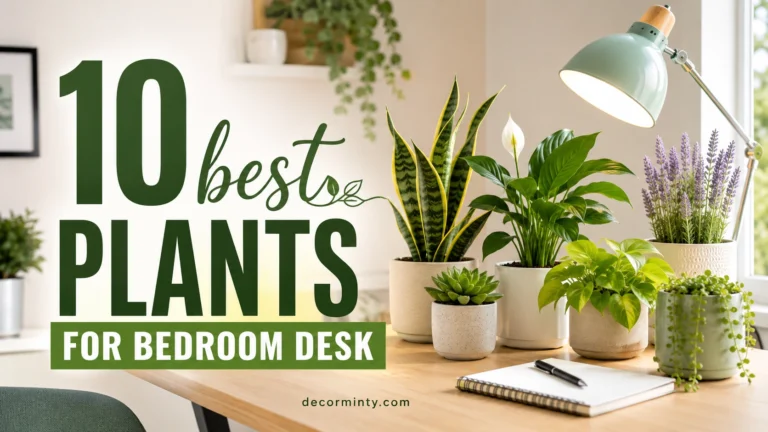
10 Best Plants for Bedroom Oxygen at Night — Sleep Peacefully
Quick Answer
The best plants for bedroom oxygen at night are the snake plant, aloe vera, jade plant, moth orchid, peace lily, golden pothos, spider plant, ZZ plant, areca palm, and English ivy, and they made this list because several use specialized nighttime photosynthesis to release oxygen while you sleep, while others excel at removing toxins and thriving in low-light bedroom conditions.
Here’s the short version before you scroll further:
- Snake Plant — The nighttime oxygen champion that keeps working while you sleep
- Aloe Vera — A dual-purpose succulent with healing gel and round-the-clock oxygen release
- Peace Lily — Elegant white blooms that signal when they need water with a dramatic droop
- Golden Pothos — A trailing vine that forgives neglect and adapts to almost any light
- Spider Plant — An easy-care workhorse that produces plantlets and removes toxins
- ZZ Plant — The ultimate low-maintenance option with glossy leaves and drought tolerance
- Jade Plant — A compact succulent with coin-shaped leaves and nighttime oxygen release
- Moth Orchid — A long-lasting bloomer that performs CAM photosynthesis for nighttime oxygen
- Areca Palm — A tropical statement plant that humidifies and purifies the air
- English Ivy — A trailing vine that’s exceptional at removing harmful indoor toxins
The deciding factor usually isn’t which plant releases the most oxygen. It’s whether you remember to water, how dark your actual bedroom gets, and whether you have pets in the house — match the plant to those constraints first, and the air-purifying benefits come along automatically.
Our Top Picks at a Glance
Easiest to Care For — [ZZ Plant]
Best for Low Light — [Snake Plant]
Most Beautiful Bloom — [Moth Orchid]
Best for Beginners — [Spider Plant]


10 Best Bedroom Plants for Nighttime Oxygen and Better Sleep
 Save
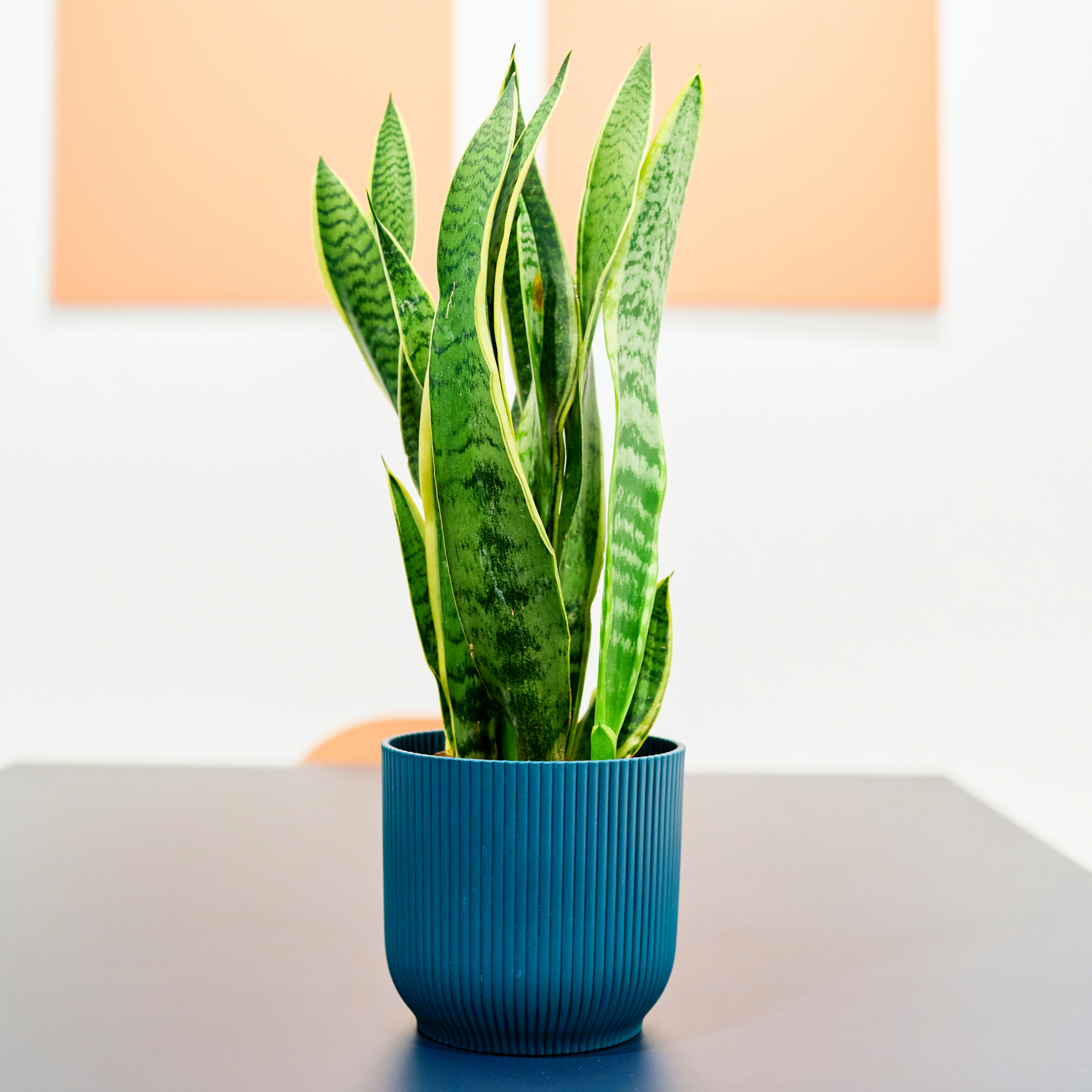
Save#1. Snake Plant — “The Nighttime Oxygen Champion”
| Sunlight | Low to bright indirect light; survives in dark corners |
| Watering | Water only when soil is completely dry; let it stay dry 2-6 weeks between waterings |
| Pot Size | 6-8 inch pot for mature plants |
| Care Level | Easy |
| Bloom Time | N/A — grown for foliage |
The snake plant (Sansevieria trifasciata) is native to West Africa and has become the gold standard for bedroom plants because it uses a rare form of photosynthesis called Crassulacean Acid Metabolism (CAM). Instead of opening its stomata during the day like most plants, the snake plant keeps them closed to conserve water and opens them at night—the exact opposite of typical plants, which means it absorbs carbon dioxide and releases oxygen while you sleep.
This plant is virtually impossible to kill. Its thick, waxy leaves store water for weeks, so even if you travel or forget to water for extended periods, it’ll reward your neglect with survival. The real danger is actually overwatering, which causes root rot faster than underwatering ever could.
Repot every 2-3 years in spring with fresh cactus or succulent mix, and trim any yellowing leaves at the base. Snake plants are mildly toxic if ingested by pets, so keep them on a shelf or nightstand out of curious paws’ reach.
Pros
- Releases oxygen at night using CAM photosynthesis
- Tolerates low light and irregular watering perfectly
- Removes formaldehyde and benzene from indoor air
Watch For
- Toxic to cats and dogs if leaves are chewed
- Root rot if watered too frequently
- Slow growth means it won’t fill a large space quickly
#2. Aloe Vera — “The Healer That Works at Night”
| Sunlight | Bright indirect light preferred; tolerates low light |
| Watering | Water deeply, then let soil dry completely; every 2-3 weeks |
| Pot Size | 4-6 inch pot with drainage holes |
| Care Level | Easy |
| Bloom Time | Spring, tubular yellow flowers |
Aloe vera has been used for thousands of years—ancient Egyptian physicians prescribed it for wounds and burns, and today you’ll find it in everything from sunscreen to supplements. Like the snake plant, aloe vera uses CAM photosynthesis, which means it opens its stomata at night to absorb carbon dioxide and releases oxygen while you sleep, providing that perfect bedside companion for restful air.
This succulent stores water in its thick, translucent leaves, so it actually prefers dryness to moisture. The gel inside the leaves can be harvested for minor burns and irritated skin, but be gentle—the plant needs its leaves to photosynthesize. Overwatering is the quickest way to kill it, turning the leaves mushy and transparent.
Repot only every 3-4 years, using well-draining cactus soil. Cut flower stalks at the base after blooming to encourage more blooms next spring. Aloe is non-toxic to pets, making it a safe choice for homes with curious cats or dogs.
Pros
- Releases oxygen at night via CAM metabolism
- Healing gel in leaves for burns and skin irritation
- Safe for pets and produces beautiful yellow flowers
Watch For
- Overwatering causes root rot immediately
- Needs bright light to thrive; leaves turn brownish in dim rooms
- Slow growth means visible progress takes months
#3. Peace Lily — “The Communicative Air Purifier”
| Sunlight | Low to bright indirect light; thrives in north-facing windows |
| Watering | Water when top inch of soil feels dry; leaves droop dramatically when thirsty |
| Pot Size | 8-10 inch pot depending on mature plant size |
| Care Level | Easy to Moderate |
| Bloom Time | Spring through fall, white spadix flowers |
The peace lily (Spathiphyllum) is a tropical understory plant native to Colombia and other Central American rainforests, where it thrives beneath forest canopies in soft, filtered light. In your bedroom, it’s equally happy in low-light conditions that would stress other plants. What makes peace lilies special is their dramatic communication style—when they need water, they literally collapse onto their pot like a fainting flower, then perk back up within hours of watering. It’s impossible to miss.
Peace lilies are phenomenal air purifiers. Research from NASA’s Clean Air Study found they remove formaldehyde, benzene, and trichloroethylene from indoor air. They also produce white spathe flowers (technically, a sheath surrounding the flower spike) that some people find symbolically calming for bedside tables. Brown leaf tips indicate low humidity or chlorine in tap water—use distilled water or let tap water sit overnight to minimize this.
Repot in spring every 1-2 years, using standard potting soil rich in organic matter. Trim spent flower stalks at the base to encourage new blooms. Peace lilies are non-toxic to pets, but the leaves can irritate mouths if chewed, so keep them on a shelf if your pets are mouth-oriented.
Pros
- Thrives in low light without sacrificing growth or blooms
- Visibly signals thirst with dramatic leaf droop—perfect for worried plant parents
- Elegant white flowers and symbolic calming presence for bedrooms
Watch For
- Brown tips from chlorine or low humidity; use distilled water
- Prefers higher humidity; mist leaves or use a pebble tray
- Leaves can irritate sensitive mouths if pet or child chews them
 Save
Save#4. Golden Pothos — “The Forgiving Trailing Vine”
| Sunlight | Bright indirect light ideal; tolerates low light but growth slows |
| Watering | Water when top 1-2 inches of soil feel dry; typically 1-2 weeks |
| Pot Size | 4-6 inch hanging basket or regular pot |
| Care Level | Easy |
| Bloom Time | N/A — grown for foliage |
Golden pothos (Epipremnum aureum), also called devil’s ivy, is native to the Solomon Islands rainforests and has earned its nickname for its reputation of being nearly impossible to kill. Its heart-shaped leaves are splashed with golden-yellow variegation, and the trailing vines can grow several feet long when left to cascade from a shelf or hanging basket. It’s the plant for plant parents who travel, forget to water, and want something visually interesting to fill vertical space.
Pothos removes toxins like benzene and formaldehyde from indoor air according to NASA’s Clean Air Study. It’s remarkably adaptable—it’ll tolerate low light (though it grows slower), irregular watering, and even occasional neglect. The variegation may fade in very low light, but the plant itself won’t die. It can climb using its aerial roots, making it excellent on a moss pole if you want a more upright form.
Propagate easily by cutting 4-6 inch pieces just below a node and rooting them in water or moist soil. Repot every 1-2 years only if it becomes rootbound. Pothos is toxic to cats and dogs if ingested, so hang baskets out of reach or choose a safer plant if you have curious pets.
Pros
- Nearly impossible to kill; forgives irregular watering and neglect
- Removes common indoor toxins like benzene and formaldehyde
- Golden variegation adds warmth; grows fast and fills spaces
Watch For
- Toxic to cats and dogs if leaves are chewed
- Variegation fades in low light; move to brighter spot to restore color
- Vines can become leggy without pruning; pinch tips for bushier growth
#5. Spider Plant — “The Prolific Beginner’s Dream”
| Sunlight | Bright indirect light preferred; tolerates moderate to low light |
| Watering | Keep soil lightly moist; water when top inch feels dry |
| Pot Size | 6-8 inch hanging basket ideal |
| Care Level | Easy |
| Bloom Time | Spring, small white flowers on runners |
The spider plant (Chlorophytum comosum) is native to tropical and southern Africa and has become perhaps the most recommended houseplant for beginners worldwide. It’s recognizable by its long, arching leaves with cream or white stripes and its habit of producing baby plantlets (called spiderettes) on long runners that dangle like spiders on webs. A mature plant in a hanging basket creates a fountain-like effect that softens bedrooms and adds life to corners.
Spider plants produce oxygen and remove formaldehyde and xylene from indoor air according to NASA research, making them excellent bedroom companions. They’re non-toxic to pets, so even if your cat or dog nibbles a leaf, no harm occurs. The brown leaf tips that sometimes appear are usually caused by fluorine in tap water or low humidity. Use distilled water and occasional misting to prevent this.
Once spiderettes develop 1-inch roots (in water or hanging over soil), pinch them off and pot in moist soil to propagate new plants. The mother plant lives for decades and becomes fuller and more impressive over years. These are the plants people inherit from their grandmothers and keep thriving for their own grandchildren.
Pros
- Completely safe for cats, dogs, and children
- Produces oxygen and removes formaldehyde and xylene
- Endlessly propagates; propagate spiderettes to share with friends
Watch For
- Brown leaf tips from tap water chemicals; use distilled water or mist
- Variegation fades in low light; move to brighter location if leaves turn solid green
- No blooms if light is insufficient; more light encourages flowering
#6. ZZ Plant — “The Neglect-Tolerant Statement Piece”
| Sunlight | Tolerates low to bright indirect light; prefers consistent conditions |
| Watering | Water only when soil is completely dry; every 2-4 weeks in summer |
| Pot Size | 8-10 inch pot with excellent drainage |
| Care Level | Easy |
| Bloom Time | Rarely; occasional small greenish-brown spikes |
The ZZ plant (Zamioculcas zamiifolia), native to the arid forests of East Africa, is the ultimate low-maintenance bedroom plant. Its thick, wax-covered leaflets and underground rhizomes (potato-like bulbs) store water for weeks, making it capable of surviving extreme drought. It grows slowly but steadily, eventually reaching 3-4 feet tall with a sculptural, tropical appearance that works in almost any decor style.
ZZ plants are remarkably adaptable to low light, making them ideal for bedrooms with minimal natural light or even offices with only fluorescent lighting. They require less fertilizer than most plants (just once or twice a year) and almost never need repotting. The main threat is overwatering, which causes the rhizomes to rot before any visible symptoms appear on the leaves.
New ZZ leaves emerge yellow-green and mature to deep, glossy green with a natural shine that looks almost polished. Trim any damaged leaflets at the base, or leave them as is—ZZ plants look graceful slightly imperfect. They’re toxic if ingested by pets, so keep on a high shelf away from cats and dogs.
Pros
- Thrives in low light including fluorescent lighting
- Survives weeks of neglect; overwatering is the only real risk
- Naturally glossy, sculptural appearance requires no cleaning
Watch For
- Toxic to cats and dogs if rhizomes or leaflets are ingested
- Extremely slow growth means patience required for larger plant
- Yellow leaves indicate overwatering; let soil dry completely
#7. Jade Plant — “The Lucky Succulent”
| Sunlight | Bright indirect light required; tolerates some direct morning sun |
| Watering | Water deeply when top inch of soil is dry; every 2-3 weeks in growth season |
| Pot Size | 6-8 inch terracotta pot ideal |
| Care Level | Easy |
| Bloom Time | Late winter to early spring, small white or pale pink flowers |
The jade plant (Crassula ovata), native to South Africa and Mozambique, is a thick-leaved succulent that uses CAM photosynthesis like snake plants and aloe. It’s called the “money plant” or “lucky plant” in many cultures because its coin-shaped leaves symbolize prosperity and abundance—hence its Feng Shui popularity. As a succulent, it stores water in its leaves and prefers dry conditions to wet ones.
Jade plants release oxygen at night using their CAM metabolism, making them excellent bedroom companions for oxygen production. They develop a woody trunk and branch-like growth pattern over years, eventually resembling miniature trees. With good light and consistent but infrequent watering, a jade plant will outlive much of the furniture in your bedroom and reward patience with occasional white or pale pink flowers.
Prune in spring to shape and encourage bushier growth, and keep the plant in one consistent location—moving it frequently causes leaf drop. Jade leaves become flushed with red at the edges when exposed to bright light and cool temperatures, which some gardeners find beautiful. Jade is non-toxic to pets, making it a safe choice for homes with curious cats.
Pros
- Releases oxygen at night using CAM photosynthesis
- Develops elegant tree-like form over decades; becomes a family heirloom
- Safe for pets; flowers occasionally when happy
Watch For
- Hates overwatering; root rot is the most common cause of death
- Needs bright light to thrive; too little light causes weak, leggy growth
- Dislikes being moved; changing location causes leaf drop
 Save
Save#8. Moth Orchid — “The Elegant Nighttime Bloomer”
| Sunlight | Bright indirect light essential for blooming; east or west-facing window ideal |
| Watering | Water when bark medium feels dry; 1-2 times per week |
| Pot Size | 6 inch clear pot in orchid bark medium |
| Care Level | Moderate |
| Bloom Time | Year-round potential; peak blooming winter and spring |
Moth orchids (Phalaenopsis spp.), also called butterfly orchids, are the beginner-friendliest orchids and are the most common orchids sold in grocery stores and garden centers. They’re native to tropical rainforests of Southeast Asia and use CAM photosynthesis, which means they absorb carbon dioxide and release oxygen at night—making them unique among flowering houseplants for nighttime oxygen production.
What makes moth orchids special for bedrooms is their impossibly long bloom time. A single spike of flowers can bloom for 2-4 months, and with proper care—cutting the stem above a dormant node after flowers drop—the plant will rebloom from the same spike. The flowers come in white, pink, purple, and spotted varieties, adding elegance to any nightstand or shelf. Unlike many orchids, phalaenopsis don’t require a cold rest period to bloom.
Repot only every 2-3 years in orchid bark medium with lots of air circulation. The most common mistake is using regular soil, which retains too much moisture and causes root rot. Water when the bark feels dry and the roots appear silvery; clear pots let you see when this happens. During winter’s lower light, reduce watering slightly but don’t stop entirely.
Pros
- Blooms for months; flowers last 2-4 weeks on individual spikes
- Uses CAM photosynthesis to release oxygen at night
- Beginner-friendly orchid; easier than other orchid species
Watch For
- Root rot if grown in regular soil; use orchid bark only
- Needs bright light to bloom; low light causes no flowers
- Sensitive to cold; keep above 60°F and away from drafts
#9. Areca Palm — “The Tropical Oxygen Machine”
| Sunlight | Bright indirect light; needs south or west-facing window |
| Watering | Keep soil consistently moist but not waterlogged; water 1-2 times per week |
| Pot Size | 10-12 inch pot depending on plant size and growth stage |
| Care Level | Moderate |
| Bloom Time | Rarely flowers indoors; ornamental for foliage |
The areca palm (Dypsis lutescens), also called butterfly palm, golden cane palm, and bamboo palm, is native to Madagascar’s humid tropical forests. With its feathery, arching fronds and slender, nearly golden canes, it brings instant vacation vibes to any bedroom. For those seeking bedroom oxygen, the areca palm produces significant amounts during daytime photosynthesis and also functions as a natural humidifier, releasing moisture that benefits dry bedroom air.
Areca palms are voracious air purifiers according to NASA research, removing benzene, formaldehyde, and xylene while simultaneously producing fresh oxygen. They thrive in bright, indirect light and appreciate consistent watering and moderate humidity. In low light, they become leggy and decline rapidly. The investment in a larger palm requires commitment to bright conditions and regular misting or humidity trays.
Repot in spring every 1-2 years using rich, well-draining potting soil. Trim brown fronds at the base to maintain neat appearance. These palms are non-toxic to pets, making them safe for homes with cats and dogs, though the sharp fronds might discourage pets from investigating too closely.
Pros
- Produces abundant oxygen and humidifies dry bedroom air
- Removes formaldehyde, benzene, and xylene from air
- Safe for pets; creates tropical ambiance
Watch For
- Requires bright light; leggy growth in low light indicates unhappiness
- Needs consistent watering and humidity; more maintenance than other bedroom plants
- Can become quite large; ensure adequate floor or corner space
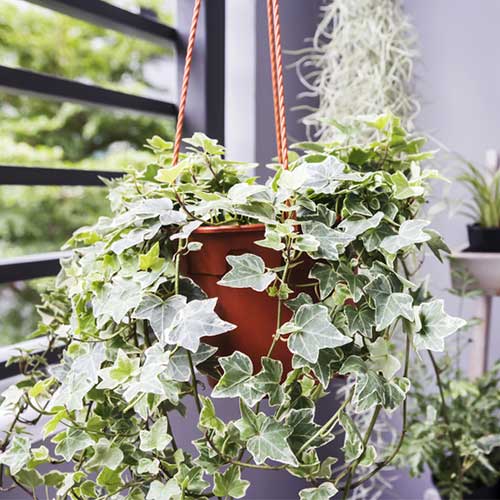
#10. English Ivy — “The Toxin Remover”
| Sunlight | Bright indirect light ideal; tolerates moderate to low light |
| Watering | Keep soil evenly moist but not waterlogged; water when top inch feels dry |
| Pot Size | 4-6 inch hanging basket ideal |
| Care Level | Easy to Moderate |
| Bloom Time | N/A — grown for foliage |
English ivy (Hedera helix), native to Europe and Asia, is renowned as one of the most effective air-purifying houseplants. According to NASA’s landmark Clean Air Study, it removes benzene, formaldehyde, xylene, and trichloroethylene from indoor air more effectively than almost any other common houseplant. It’s the trailing vine for bedrooms where household toxins from furniture, paint, and cleaning products are a concern—though real-world effectiveness depends on having multiple plants and good air circulation.
Unlike plants that produce oxygen at night via CAM photosynthesis, English ivy uses standard C3 photosynthesis, so it actually consumes small amounts of oxygen at night. However, its superior air-purification abilities make up for this in bedrooms with high VOC levels. The trailing vines cascade beautifully from hanging baskets, and the variegated varieties keep their color better than solid-green types in moderate light. Note that English ivy is toxic to cats and dogs if ingested, so it’s best suited for pet-free households or places completely out of reach.
Propagate easily from 4-6 inch stem cuttings rooted in water. Trim any leggy vines to encourage bushier growth. English ivy prefers slightly moist soil and good air circulation—overwatering in still air encourages spider mites and mold. Place these plants where air can move around them, such as on shelves near open windows rather than in sealed corners.
Pros
- Removes formaldehyde, benzene, xylene, and trichloroethylene
- Graceful trailing vines perfect for hanging baskets
- Easy to propagate; creates multiple plants from cuttings
Watch For
- Toxic to cats and dogs if ingested; keep completely out of reach
- Susceptible to spider mites in dry air; ensure good air circulation
- Does not produce oxygen at night; uses standard photosynthesis only
How to Choose the Right Plant for Your Bedroom
Matching a plant to your bedroom means understanding three constraints that matter more than air-purifying claims. First, assess your light honestly. Bedrooms with north-facing windows or no direct sun need low-light champions like snake plants, peace lilies, and ZZ plants. Bedrooms with bright south or west-facing light can handle sun-lovers like aloe vera and areca palms. Don’t assume a room is bright enough just because it has a window—observe where direct sun actually lands during the day.
Second, evaluate your watering habits. If you travel frequently or forget to water for weeks, choose dryland champions like snake plants, ZZ plants, and jade plants that actually prefer neglect to care. If you’re a water-can-daily person, select plants that appreciate consistent moisture like peace lilies and areca palms. Mismatching your watering style to the plant’s needs is the #1 reason bedroom plants die.
Third, consider your household. Pet owners should avoid jade plants, pothos, ZZ plants, English ivy, and snake plants—all toxic if ingested—and instead choose spider plants and peace lilies. Renters should pick plants in portable pots rather than large floor plants that are harder to move when leases end.
Common Mistakes to Avoid
The #1 beginner mistake is overwatering. Most bedroom plants prefer drying out between waterings more than staying consistently moist. Check soil before watering by sticking your finger 1-2 inches deep—if it still feels damp, wait. Overwatering causes root rot faster than any pest or disease, and root rot is nearly impossible to reverse once it’s started.
The #2 mistake is placing plants in too-dark corners and expecting them to survive. While snake plants and ZZ plants tolerate low light, even they eventually decline in complete shade. If your bedroom has no natural light, use a simple LED grow light on a timer to provide 8-12 hours of light daily. Plants positioned far from windows will slowly stretch toward light and become leggy, then stop growing altogether.
The #3 mistake is using regular garden soil or dense potting soil for succulents. These plants need well-draining mixes specifically formulated for succulents or cacti. Regular potting soil retains too much moisture and causes the rhizomes and roots of succulents to rot. Always repot aloe vera, jade plants, and snake plants into cactus or succulent mix if they come in dense soil from the nursery.
The #4 mistake is assuming one plant per room is enough. While a single plant improves bedroom air modestly, NASA research recommends one plant per 100 square feet for meaningful air purification. A typical bedroom of 150-200 square feet would benefit from 2-3 plants rather than just one. Grouping plants together also creates microhumidity that helps them all thrive.
Make Watering Foolproof
A moisture meter removes all guesswork from watering decisions. Stick it into soil to get instant readings instead of guessing with your finger. Most bedroom plant deaths come from overwatering—a moisture meter prevents this by showing you exactly when soil is truly dry.
Frequently Asked Questions
Q: Can houseplants actually increase bedroom oxygen at night?
A: Yes, but only specific plants using CAM photosynthesis (snake plants, aloe vera, jade plants, and moth orchids) release meaningful amounts of oxygen at night. Standard plants like peace lilies and spider plants release oxygen only during the day. A single plant won’t dramatically increase oxygen levels—you’d need multiple plants—but strategically placed CAM plants will measurably contribute to fresher nighttime air.
Q: Is it safe to sleep with plants in your bedroom?
A: Yes, it’s completely safe to sleep with plants in your bedroom. Plants don’t consume so much oxygen at night that they create a harmful environment. The small amount of CO2 they release is insignificant in a room-sized space. However, avoid English ivy, pothos, and other toxic plants if you have pets that might chew leaves while you sleep.
Q: How many plants do I need for effective air purification?
A: NASA research recommends at least one plant per 100 square feet for measurable air purification. A standard bedroom of 150-200 square feet would benefit from 2-3 plants. However, real-world effectiveness depends more on good ventilation and source control (sealing formaldehyde-emitting materials) than plant count. Treat plants as part of a layered approach, not as a standalone air purifier.
Q: Which plant is best for a dark bedroom with no direct sun?
A: The snake plant and ZZ plant are your best options for dark bedrooms. Both tolerate low light far better than any other plant on this list and can even survive in rooms with only fluorescent lighting. Peace lilies are another option, though they bloom more reliably with at least some indirect light. English ivy also tolerates shade but needs good air circulation to prevent spider mites.
Q: Are bedroom plants safe for pets?
A: Some are, some aren’t. Spider plants and peace lilies are completely safe for cats and dogs. Snake plants, ZZ plants, pothos, jade plants, and English ivy are toxic if ingested and can cause vomiting and other symptoms. Research your specific plants if you have curious pets, or choose only non-toxic varieties like spider plants and peace lilies for safety.
Q: How often should I water bedroom plants?
A: Watering frequency depends entirely on the plant. Snake plants, ZZ plants, and jade plants need water only every 2-6 weeks when soil is completely dry. Peace lilies prefer consistently moist soil and typically need water 1-2 times per week. Spider plants like the top inch to dry between waterings, roughly weekly. Always check soil before watering rather than following a fixed schedule—overwatering is the quickest path to dead bedroom plants.
Final Thoughts
The best bedroom plants work harder while you sleep, freshen stale indoor air, and ask surprisingly little in return—just the occasional glance to confirm they’re still alive. Whether you’re drawn to the sculptural drama of snake plants, the symbolic luck of jade plants, the trailing elegance of pothos, or the sophisticated white blooms of peace lilies, there’s a plant on this list that fits your light, your watering style, and your household’s needs.
Which plant are you adding to your space first? Save this post to Pinterest so you can come back whenever you need fresh plant inspo!

I’m a home decor enthusiast who loves discovering beautiful room ideas, creative DIY projects, and Pinterest-worthy decorating inspiration. At DecorMinty, I share simple tips, fresh trends, and practical ideas to help you create a home you’ll truly love—one room at a time.